How to Choose the Right Realtor in Sioux Falls, SD
What to look for, what to ask, and how to tell a great agent from a good talker. Here is the honest version.
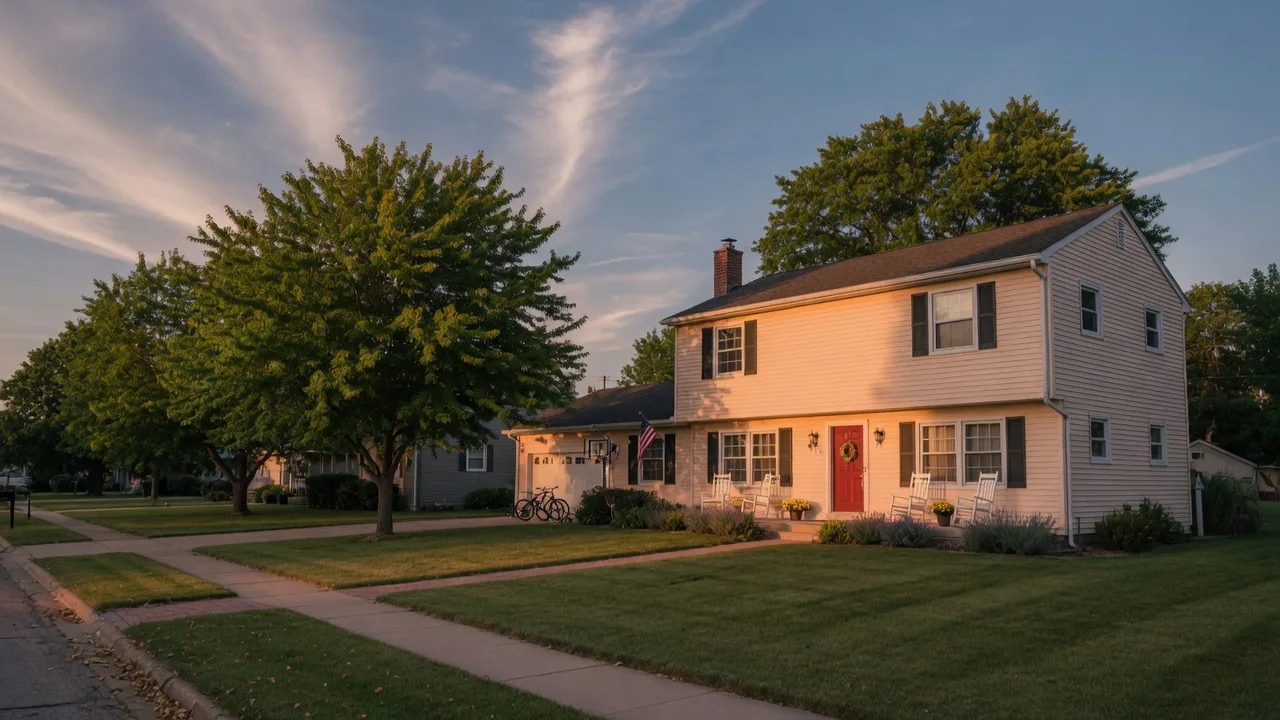
Choosing the right Realtor in Sioux Falls comes down to three things: credentials you can verify, communication you can rely on, and local knowledge you can see in action. This guide covers what to look for, the questions to ask before you hire anyone, how to check licenses and reviews, and the red flags that mean you should keep looking. I'm Jennifer Krosch, a Broker Associate with eXp Realty here in Sioux Falls, and this is the advice I give every buyer and seller who asks.
What should you look for in a Realtor?
Start with the basics and work up from there. Your agent should be properly licensed in South Dakota and in good standing with the South Dakota Real Estate Commission. In this state the standard license level is the broker associate, an agent who can represent buyers and sellers while working under a responsible broker at their firm. That licensing structure is one of the first things I'd verify about anyone you interview.
From there, look for someone who genuinely knows the Sioux Falls metro. That means familiarity with Sioux Falls and the surrounding communities of Brandon, Harrisburg, and Tea, an understanding of how listings move through the local Realtors of the Sioux Empire multiple listing service, and a feel for what homes in different parts of the area actually sell for. Local knowledge shows up in practical ways: knowing how long homes sit in one area versus another, which builders are active, and how the commute actually works from one part of the metro to another.
Then look for communication and honesty. You want an agent who returns calls, explains things without jargon, and tells you what you need to hear rather than what you want to hear. And look for a practical eye for property condition. My own background includes years in construction, electrical work, workplace safety, and time with the City of Sioux Falls, so I walk a home looking at the roof, the grading, the mechanicals, and the long-term value. You don't have to hire someone with that exact background, but you should hire someone who can tell you the difference between a cosmetic issue and a real problem.
What questions should you ask before hiring a Realtor?
Treat the first conversation like a job interview, because that is exactly what it is. You are hiring someone to handle one of the biggest financial decisions you will make. Good questions to ask:
- How long have you been licensed in South Dakota, and what is your license number?
- Which parts of the Sioux Falls metro do you work in most?
- How will you keep me updated, and how quickly can I expect to hear back from you?
- Can you walk me through the buying or selling process from start to finish?
- How are you paid, and what does that compensation cover?
- Who will actually work with me day to day, you or a team member?
- Can you share examples of recent transactions similar to mine?
- Who do you represent in a deal, and what happens if you end up representing both sides?
- Do you encourage inspections and appraisals?
Pay attention to how the agent answers. A good agent gives you straight, specific answers. An agent who dodges, oversells, or talks in circles is telling you something before you even sign anything.
How do you check a Realtor's credentials and reviews?
Credentials are easy to verify, and you should always do it. Real estate licenses in South Dakota are issued and regulated by the South Dakota Real Estate Commission, and the Commission offers a free online license verification system at dlr.sd.gov. You can search by name, license number, or firm to confirm the license is active and attached to the right person. For the record, my South Dakota license number is 21816, and you are welcome to look it up the same way you would check anyone else.
It is also worth understanding the terms. A license comes from the state. The REALTOR designation is different: it is a membership mark owned by the National Association of REALTORS, and agents who use it have joined NAR and agreed to follow its Code of Ethics. Both are useful signals, but they carry different weight, and an agent can be fully licensed without being a REALTOR.
For reviews, read them like a detective. Look at Zillow, Google, Realtor.com, and the agent's own social pages, and read the praise and the criticism. One glowing review tells you little; a pattern across many reviews tells you a lot. Watch for repeated themes, whether that is great communication, strong negotiation, or the opposite. You can also ask an agent directly for references from recent clients. A confident agent says yes without hesitation.
Does it matter if your Realtor is local?
It matters more in a market like Sioux Falls than people expect. Listings in this area are marketed through the Realtors of the Sioux Empire MLS, and an agent who lives and works here knows how to search it well, what is actually available versus what is stale, and how to research a property's history, taxes, and quirks before you ever walk in the door. When you are relocating from out of state, that local layer is exactly what you are missing from a thousand miles away, which is one reason relocating buyers are so much of my business.
A local agent also knows the area on the ground: commute times, new construction, which neighborhoods fit your specific must-haves, and what homes in a given price range realistically look like here. The right way to use that knowledge is to match it to your own criteria, not to assumptions about any neighborhood or the people in it. Under the Fair Housing Act, every licensed agent is required to serve all buyers and sellers equally regardless of race, color, religion, sex, disability, familial status, or national origin, and that protection is something you should feel in every conversation.
Being part of a national company does not have to mean a remote relationship. eXp Realty is a large brokerage with a Sioux Falls office at 4804 S. Minnesota Avenue, and local agents like me work the Sioux Falls metro every day. The question is not whether the sign on the door is national or local, it is whether the person you talk to knows this market firsthand.
What are the red flags when interviewing Realtors?
Some red flags are loud, and some are quiet. Here are the ones I would never talk you out of:
- Pressuring you to sign an agreement before you have asked your questions.
- Being unable or unwilling to explain how they are paid and what that covers.
- Guaranteeing a sale price, a timeline, or an outcome that no agent can honestly guarantee.
- Discouraging inspections, appraisals, or any kind of due diligence.
- Telling you an inflated listing price just to win the business, a classic seller trap.
- Never asking about your needs, your timeline, or your budget.
- Being slow to respond or late to follow up during the interview, because that is how they will operate during your transaction.
- Being vague about the process, agency relationships, or the paperwork.
None of these are minor details. The interview is the preview of the working relationship, and if anything here shows up in the first conversation, it will show up again when the stakes are higher.
What does a good buyer's agent do, step by step?
A buyer's agent is not just someone who opens doors. The job runs from your first conversation to well after closing, in rough order:
- Consultation. We talk through your budget, timeline, must-haves, and the areas you are considering, and get you connected with a local lender for pre-approval so you shop with real numbers.
- Searching. I set up searches on the MLS, screen homes against your criteria, and point out places you would otherwise scroll past, including ones that are newer to the market.
- Touring. We walk homes together, and I point out the positives and the concerns. With my construction background, I am looking at the roof, the grading, the mechanicals, and the things that cost money later, so you hear about them before you make an offer, not after.
- Offer strategy. We review what similar homes have sold for and put together a fair offer with the right contingencies, not a number pulled from thin air.
- Negotiation. I handle the back and forth on price, terms, and repairs, and I keep you informed the whole way.
- Inspections and appraisal. I coordinate the inspection, attend it when I can, help you understand the findings, and negotiate fixes or credits with the seller.
- Through closing. I stay on top of the lender, the title company, and the deadlines so nothing slips, and I walk you through what happens on closing day.
- After closing. I help with the practical stuff, getting your utilities set up, understanding your new place, and having a realtor you can still call with questions.
What does a good seller's agent do, step by step?
Selling is a different job, with its own sequence of work:
- Market analysis. I research what has actually sold near your home, what is currently listed, and what the market is doing, so we can price honestly from day one. Overpricing is the fastest way to leave money on the table.
- Prep guidance. Before we list, I walk your home with you and tell you which small fixes pay off and which big projects are not worth it. That is where my construction experience saves sellers real money.
- Presentation. We get the home market-ready, professionally photographed, and staged to show its best side, both in person and online where buyers look first.
- Marketing. Your listing goes on the MLS, syndicated across the major home search sites, and shared through my network and social channels to reach as many qualified buyers as possible.
- Showings and feedback. I schedule and manage showings, follow up on feedback, and let you know what buyers are saying so we can adjust if needed.
- Offers and negotiation. I evaluate every offer on more than price, including financing, contingencies, and timeline, and negotiate the terms that matter to you.
- Through closing. I coordinate the buyer's inspection, the appraisal, and the title work on your side, and keep the deal on track through signing.
- After closing. I make sure the final walk-through goes smoothly and you are fully moved on to your next chapter.
Why the person matters more than the sign
A license is a starting line, not a finish line. What you are really hiring is someone's judgment, their communication, and their care for your outcome. That is why I built my business around relocators, first-time buyers, and sellers ready for their next chapter: those are the clients who need the clearest guidance, and I love being the one who provides it.
I spent years in construction, electrical work, workplace safety, and with the City of Sioux Falls before I became a Realtor, and that background shapes how I evaluate every home I show and every home I list. You get honest position-by-position feedback on a property's condition, real local knowledge of the Sioux Falls metro, and an agent who treats the process the way it should be treated: with transparency, patience, and respect on both sides. That is what built on trust, driven by results means, and it is the standard I hold myself to in every single transaction.
Realtor FAQ for Sioux Falls buyers and sellers
How do I verify a real estate agent's license in South Dakota?
You can verify any license for free online through the South Dakota Real Estate Commission, which regulates real estate licensing under the state's Department of Labor and Regulation. Search by the agent's name, license number, or firm at dlr.sd.gov using the Commission's license verification system, and check that the license is active and matches the person you are interviewing. For reference, my South Dakota license number is 21816, and you can look it up the same way.
What is the difference between a Realtor and a licensed real estate agent?
A real estate license comes from the state. In South Dakota, the standard license level is the broker associate, which lets an agent list homes, represent buyers and sellers, and earn commissions while working under a responsible broker. REALTOR is a separate membership mark owned by the National Association of REALTORS; an agent who uses it has voluntarily joined NAR and agreed to follow its Code of Ethics. A great agent can be one or both, but it is worth knowing the difference when you check credentials.
What does Broker Associate mean in South Dakota?
In most of the country the entry-level license is called a salesperson, but South Dakota is different: the standard license level here is the broker associate. A broker associate can do the full job, listing homes, handling sales, and representing clients, but must be affiliated with and supervised by a responsible broker. That means when you hire a broker associate, a licensed responsible broker at their firm is backing the transaction too.
How do buyer's agent fees get paid now?
Since the practice changes that took effect in August 2024, buyer agent compensation is no longer advertised on MLS listings. Buyers sign a written buyer representation agreement before touring homes, and that agreement spells out how the agent is paid. Buyers may pay their agent directly, or a seller may offer a concession written into the contract. Every arrangement is negotiated between you and your agent, because commissions are not set by law and there is no standard rate.
What questions should I ask a Realtor before hiring them?
Ask how long they have been licensed in South Dakota, which parts of the Sioux Falls metro they work in most, how you will be kept updated and how quickly they respond, and who you will actually work with day to day. Ask them to walk you through the whole process, to explain how they are paid and what that covers, to share examples of recent transactions similar to yours, and to explain who they represent. Then check the license, read the reviews, and trust how the conversation feels.
Is it a red flag if an agent discourages a home inspection?
Yes. A good agent encourages inspections, appraisals, and full disclosure on both sides of a deal. Inspections are how buyers learn about a home before they commit, and for sellers they are how you avoid surprises in the negotiation. An agent who steers you away from due diligence is protecting their own deal, not your interests, and that is exactly the attitude you do not want representing you.