Living in Sioux Falls:
The Complete Guide.
I'm Jennifer Krosch, a Realtor with eXp Realty who calls Sioux Falls home. Before real estate, I spent years in construction, electrical work, workplace safety, and with the City of Sioux Falls, so I know this metro from the inside out: the neighborhoods, the infrastructure, and what it's actually like to live here.
I've helped relocators from all over the country land here and love it. This guide pulls together everything I tell them about the cost of living, the job market, the schools, the neighborhoods, the weather, and the things that make this one of the most livable cities in the Midwest. If you're weighing whether this is the right move for your family, start here.
City about 225,000; metro past 300,000
Roughly 5-10% below the U.S. average
None in South Dakota
About $310K to $335K
About 35 to 45 inches
Is Sioux Falls a good place to live?
Yes, for most people, and especially for families and relocators coming from bigger metros. That isn't a hometown cheerleader talking, the fundamentals line up. Sioux Falls is South Dakota's largest city, with the metro population having grown past roughly 300,000, and it regularly lands on national best-places lists, including Livability's Top 100 Best Places to Live, where it has ranked repeatedly in recent years.
A strong economy. Healthcare anchors the region through major employers like Sanford Health and Avera Health, finance is a regional banking hub with a real Citibank and Wells Fargo presence, and unemployment has repeatedly ranked among the lowest in the country.
Affordable housing. Median home prices sit well below the national median, and the overall cost of living runs roughly 5 to 10 percent below the U.S. average depending on the index.
No state income tax. South Dakota simply doesn't have one, so a bigger share of every paycheck stays in your pocket.
A four-season lifestyle. Warm summers, a genuinely beautiful fall, real winters, and a low-stress, community-first pace of life.
Strong schools. From the Sioux Falls School District, the largest in the state, to the respected districts in Brandon, Harrisburg, and Tea.
Winters are real and long, with snow on the ground from roughly November through March. You need a car; Sioux Falls is a drivable city, not a walkable metropolis. And it's a drive from other big cities: Minneapolis is about four hours away by car, Omaha about two and a half. For most people who make the move, those tradeoffs are well worth it. You trade big-city traffic and prices for a genuinely strong economy and a community that's easy to call home.

Jennifer Krosch · eXp Realty · License #21816
Your money goes further here.
Depending on the index; housing is the biggest win
Recent readings vary by source and month
Varies by source and unit size
A real edge for relocators
The headline numbers: most cost-of-living indexes put Sioux Falls roughly 5 to 10 percent below the national average. BestPlaces, for example, scores the city about 9 percent cheaper than the U.S. baseline, and other widely used indexes range from a few points below to more than 10 percent below, depending on how they weight housing. Either way, your money goes further here than in most American metros.
Housing is the big win. The median home price in Sioux Falls has run roughly $310,000 to $335,000 in recent readings across sources like Redfin, Zillow, and local market reports. That sits well below the national median, typically 20 percent or more below, which is the single most common reaction I hear from out-of-state buyers on their first tour. For renters, a typical apartment runs about $1,000 to $1,200 a month depending on the source and the size of the unit.
Utilities, groceries, and local taxes are all moderate, and on top of that there's no state income tax. Add it up and a household can keep noticeably more of what it earns here than in most states.
One fair warning: wages can also run lower than in some big metros, so don't compare the housing number in isolation. Look at the whole picture, your income, your monthly costs, and what you actually get for them, and Sioux Falls almost always comes out ahead.
A job market that keeps people coming.
And staying.
Healthcare is the anchor. Sanford Health is the region's largest employer, with roughly 10,000-plus employees in the metro, and Avera Health is close behind with 8,000-plus. Between the two, healthcare drives a huge share of Sioux Falls jobs and much of its steady growth.
Finance is the second pillar, and it has a story worth knowing. Sioux Falls is a regional banking and credit-card hub. Citibank moved its entire U.S. credit-card operation here in 1981 to take advantage of South Dakota's banking-friendly climate, and Wells Fargo maintains a large presence today. It's a big reason so much of the country's credit-card billing is processed out of a city this size.
Beyond healthcare and finance, you'll find manufacturing, logistics, and a growing technology and startup scene, plus a construction industry that is everywhere in a metro adding thousands of people a year.
The unemployment picture is remarkable. Sioux Falls has repeatedly ranked among the lowest unemployment rates of any U.S. metro area, with rates that have hovered around 2 percent or below in recent years and have at times been the lowest in the nation. If you're coming here for work, the job market is your ally.
And the growth is visible from the road. New housing developments, commercial projects, and road and utility work are underway across the metro, which is exactly the infrastructure story I can speak to from my years with the City of Sioux Falls and my construction background. When you buy here, you're buying into a city that is actively building its future.
Four real seasons, one spectacular summer.
Warm and genuinely fun. July highs average around the mid-80s, perfect for festivals, the outdoor concert scene, and long evenings at Falls Park and the river.
The season that makes people fall in love with the city. Crisp air, golden trees along the Big Sioux, and a full calendar of events before the snow flies.
Real winter. Snowfall typically runs about 35 to 45 inches a season, January highs average near freezing or below, and the city is very good at clearing roads. The payoff is sunny days and a cozy stretch from Thanksgiving through New Year's.
Muddy, hopeful, and occasionally wild. Storms roll through, the region carries a real tornado risk most springs, and by May the city is green again.
Practical advice from someone who lives it: buy a good winter coat, invest in a remote start if you park outside (it's a luxury worth every penny), and know that summer here is spectacular enough to make the winter a fair trade. The city plows well, there's sunshine even on cold days, and by June everyone has forgotten January entirely.
Because winters here are real, how a house handles one matters. That's part of why my background helps buyers: I've spent decades in construction, electrical work, and safety looking at the systems that keep a house warm. Furnace age, insulation, window quality, roof condition, grading, all of it. When we tour a home together, I'm already thinking about what that first January will be like inside it.
Big district, strong suburbs,
and boundaries that matter.
The Sioux Falls School District is the largest in the state, serving roughly 24,000-plus students across about 43 schools, and its four comprehensive high schools, Washington, Lincoln, Roosevelt, and Jefferson, are all well regarded. The district's enrollment has grown steadily for years, and the city keeps building to keep up.
The surrounding communities bring their own respected districts. Brandon Valley is one of the state's largest and most talked-about districts, a big reason families choose Brandon. Harrisburg's district is one of the largest in the state and growing fast, and Tea's district is expanding right along with the town. Private and parochial options exist across the metro too.
One practical note for relocating families: school boundaries matter here. Which school your child attends depends on where your home sits, so the specific neighborhood and address, not just the district label, are what count. Matching school zones to your house hunt is a normal part of how I help families search, and I'm glad to walk you through how the boundaries work before you fall in love with a house on the wrong side of one.
The metro splits into communities.
We'll find yours.
The right neighborhood depends on your commute, your kids' schools, your price point, and the vibe you want. Here's the quick tour of the suburbs I know best, plus the areas inside Sioux Falls that show up most in my searches.
All neighborhood guides
Brandon
About 15 minutes east of downtown Sioux Falls with Brandon Valley Schools anchoring the town. Family homes typically run about $200K to $450K, and the vibe is safe, athletic, and proudly small-city.
Read the Brandon guideHarrisburg
The metro's fastest-growing family suburb, about seven miles south of central Sioux Falls. Harrisburg schools are among the largest in the state, homes mostly land in the $200K to $450K range, and the energy is new-build and young-family.
Read the Harrisburg guideTea
Minutes southwest of Sioux Falls in Lincoln County. Tea Area schools are growing with the town, prices are approachable at roughly $175K to $400K, and it keeps the most genuinely small-town pace of the three suburbs.
Read the Tea guideSouth-Side Growth Areas
The south and southwest corridors are where the city's new developments, new schools, and family parks are going in. A great fit for buyers who want a newer home without leaving the city limits.
Explore Sioux Falls neighborhoodsEstablished East Side
Mature neighborhoods with great value, quick interstate access, and a mix of starter homes and family houses. A favorite of first-time buyers and commuters who want the most house for the money.
Explore Sioux Falls neighborhoodsCentral & Downtown
Historic charm around McKennan Park and the central neighborhoods, plus walkable downtown living near Falls Park, restaurants, and the river. The pick for buyers who want character and proximity.
Explore Sioux Falls neighborhoodsA city that punches above its size.
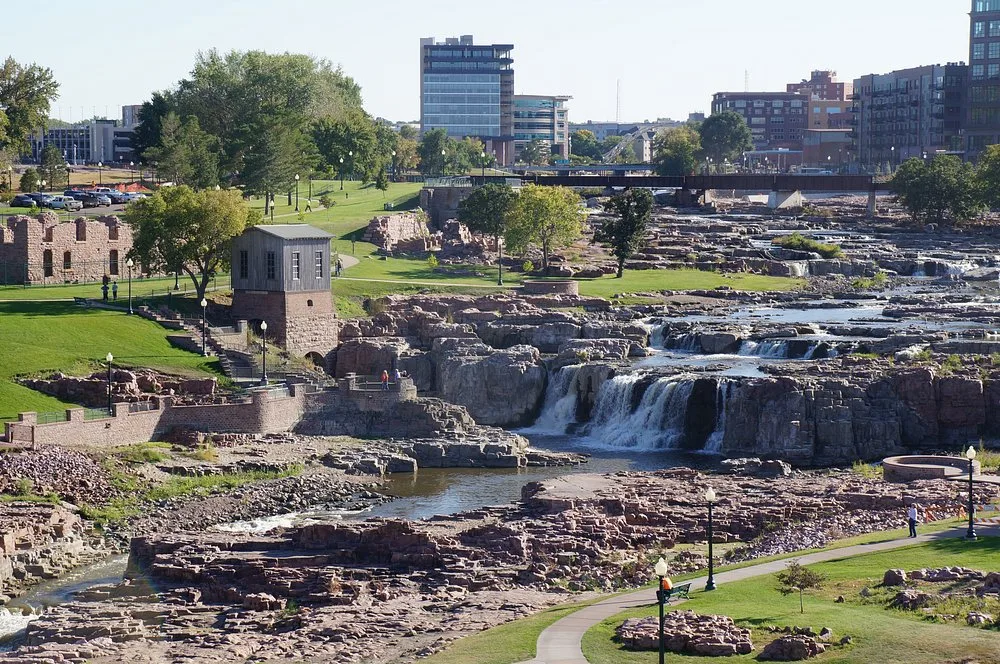
Sioux Falls punches far above its weight when it comes to things to do. The heart of it is Falls Park, where the Big Sioux River drops over Sioux quartzite in the middle of the city, with an observation tower, the ruins of the historic Queen Bee Mill, and a famous winter light display that draws visitors from across the region.
Falls Park: the iconic waterfalls and the heart of the city, any season.
The downtown river greenway and miles of paved trails, roughly 36 miles across the park system, that connect neighborhoods to the falls.
Levitt at the Falls: free outdoor concerts, roughly 50 each summer, on the lawn just west of the falls.
The Washington Pavilion: arts, science, and performing arts under one historic roof.
SculptureWalk: more than 50 outdoor sculptures lining the downtown walk between the Pavilion and Falls Park.
The Denny Sanford PREMIER Center: concerts, events, and Sioux Falls Stampede hockey.
More than 80 parks and upwards of 3,400 acres of parkland, plus local restaurants and breweries that make downtown a genuine food destination.
The outdoor scene: hunting and fishing country within minutes of the city, and good lake getaways within a couple of hours.
Want to see it instead of read about it? On my Living in Sioux Falls YouTube channel I film the city as I work it: neighborhood tours, home walkthroughs, and the local spots worth knowing. Browse the video tours and get the visuals to go with this guide.
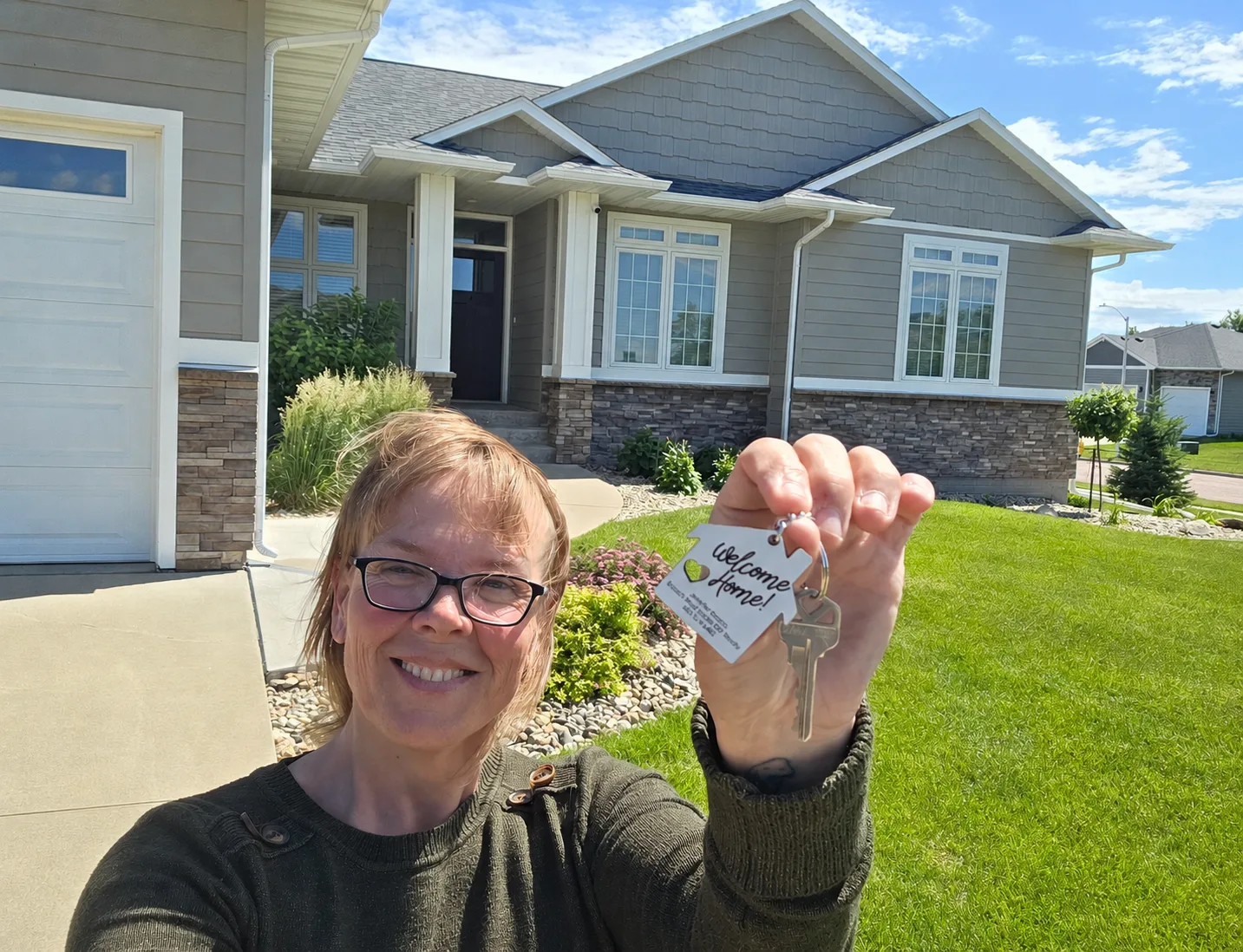
Home, with a builder's eye for what matters.
Is Sioux Falls a good place to live?
Yes, for most people, and especially for families and relocators from bigger metros. The city combines a strong job market anchored in healthcare and finance, housing that runs well below the national median, no state income tax, strong schools, and a low-stress, four-season lifestyle. The honest tradeoffs are real winters, a car-dependent layout, and a long drive to other big cities.
What is the cost of living in Sioux Falls?
Most indexes put the cost of living roughly 5 to 10 percent below the national average, with housing the biggest win: recent median home prices have run about $310,000 to $335,000, well below the national median, and typical apartment rents run about $1,000 to $1,200 a month depending on the source. South Dakota's lack of a state income tax adds to the savings.
Is there state income tax in South Dakota?
No. South Dakota has no state individual income tax, which is one of the biggest financial advantages of living in Sioux Falls and a major reason relocators choose the state.
What is the job market like in Sioux Falls?
Strong. Healthcare anchors the economy through major employers like Sanford Health and Avera Health, finance is a regional banking hub with a significant Citibank and Wells Fargo presence, and manufacturing, logistics, and a growing tech scene round it out. Unemployment has repeatedly ranked among the lowest of any U.S. metro, often around 2 percent or below.
What are the best neighborhoods in Sioux Falls?
The best neighborhood is the one that fits how you actually live. Families gravitate to the south-side growth areas and the suburbs of Brandon, Harrisburg, and Tea; value seekers find established east-side neighborhoods; and buyers who want character and walkability land in central Sioux Falls, near McKennan Park, or downtown by Falls Park. Each has its own commute, school, and price profile, so I help clients match the short list to their life.
How are the schools in Sioux Falls?
Strong overall. The Sioux Falls School District is the largest in South Dakota, serving roughly 24,000-plus students with four comprehensive high schools, and the surrounding districts, especially Brandon Valley, Harrisburg, and Tea, are well regarded and growing. Private and parochial options exist as well. Because attendance boundaries depend on your address, I help relocating families line up their home search with the right school zones.
What is the weather like in Sioux Falls?
Four real seasons. Summers are warm, with July highs around the mid-80s, fall is genuinely beautiful, winters are cold and snowy with typical snowfall around 35 to 45 inches and plenty of sunshine, and spring brings storms, including a real tornado risk across the region. Dress for winter and you will love it here.
How long are winters in South Dakota?
Meteorological winter runs December through February, but the deep-cold stretch, when daily highs stay around freezing or below, typically runs from late November into early March. Snow can fall from November through April, and the city is well equipped to keep roads and daily life moving through it.
Is Sioux Falls safe?
City leaders and police consistently describe Sioux Falls as a very safe community, and by several measures violent crime has run near or below national averages in recent years. Crime indexes vary by source, and some do put property crime above the national average, so it pays to look at your specific neighborhood. On balance, it is considered a safe city for its size, and I am glad to walk through particular areas with you.
What is there to do in Sioux Falls?
Plenty. Falls Park anchors downtown with its waterfalls, walking trails, and winter lights; Levitt at the Falls hosts free concerts all summer; the Washington Pavilion covers arts and science; SculptureWalk fills downtown with outdoor art; and the Denny Sanford PREMIER Center brings in concerts and events. Add more than 80 parks, local restaurants and breweries, and hunting, fishing, and lake getaways within a couple of hours.
Ready to make Sioux Falls home?
Whether you're relocating from across the country or across town, I'll help you find the neighborhood, the schools, and the home that fit your life. Search the latest homes across the Sioux Falls metro, book a no-pressure consultation, or just give me a call.
Jennifer Krosch, Realtor · eXp Realty · License #21816 · Realtors of the Sioux Empire