Is It Cheaper to Rent or Buy a Home in Sioux Falls in 2026?
Rents, mortgage payments, and the income math, all run with the real 2026 local numbers.
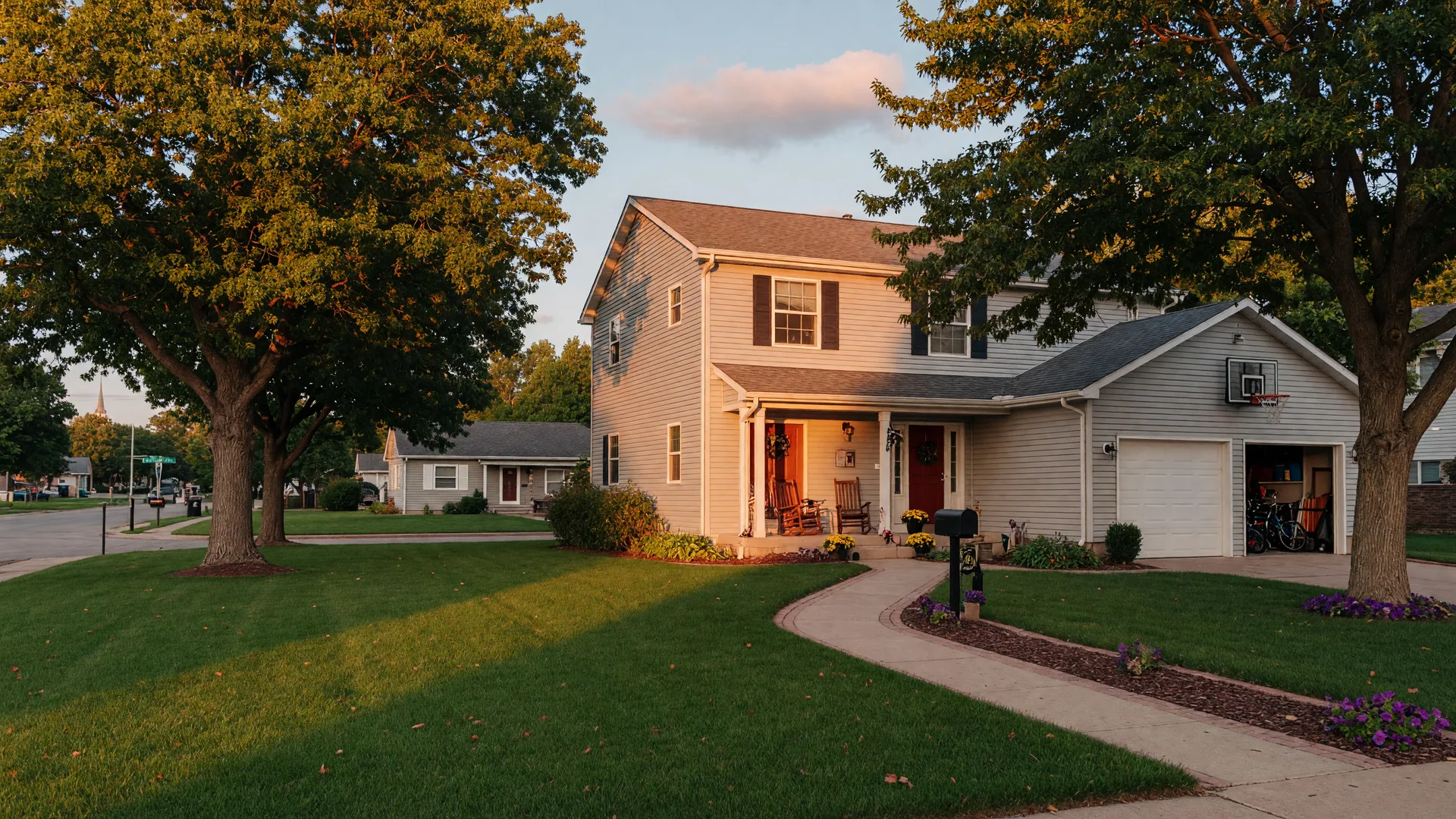
“Should we rent or buy?” is the first question almost every relocator asks me, and the honest answer is that in 2026 the numbers are closer than most people think. Average rents in Sioux Falls run about $960 to $1,170 a month depending on the complex, while buying a median-priced home means a mortgage payment in the $1,600 range before taxes and insurance. Buying wins over the long run, renting wins on flexibility, and the deciding factor is almost always your timeline and your cash, not the monthly spreadsheet alone.
What renting actually costs in Sioux Falls
Let's start with the number that surprises most out-of-state buyers. Average apartment rent in Sioux Falls came in around $982 a month in spring 2026, according to Apartments.com, with one-bedrooms near $980 and two-bedrooms around $1,190. Other rent trackers put the city average a bit higher, between about $1,130 and $1,170, and Rent.com listed a typical one-bedroom at roughly $961 and a two-bedroom at $1,092 in late summer. The practical range for most renters in 2026 is somewhere between $960 and $1,200, with a two-bedroom landing near the top.
That is why so many transferees are relieved when they get here. Sioux Falls housing costs run roughly 25 percent below the national average, and the overall cost of living sits several points below it, on top of a state with no income tax. Rent is a real bill, but it is not the budget crusher it has become in larger metros.
The catch is trend. Rents in Sioux Falls have been climbing in recent years, which means the lease you sign in 2026 will very likely cost more when it comes up for renewal. A landlord can adjust your payment on their schedule; a fixed-rate mortgage cannot.
What buying actually costs in Sioux Falls
On the buy side, the median sale price in Sioux Falls has run from about $310,000 in early spring 2026 to the mid-$320,000s by late spring. Redfin put the median around $327,000 for the three months ending in May, and most mid-2026 trackers landed between $330,000 and $335,000. A reasonable planning number for a typical home right now is about $330,000.
For a home at $330,000 with 20 percent down and a 30-year fixed rate near 6 percent, principal and interest runs about $1,600 to $1,650 a month. Property taxes and homeowners insurance add several hundred dollars on top, and that is the step in the math people skip. It is also worth remembering that most first-time buyers do not put 20 percent down: with 5 or 10 percent down the payment climbs, and private mortgage insurance adds a slice on top. The good news is the down payment side is more reachable than the myths suggest, and South Dakota has real help available, which I walk through in my down payment assistance guide.
The income question, answered straight
This is the number people actually search for, so here it is plainly. Redfin's 2026 analysis put the income needed to afford a typical home in Sioux Falls at about $79,545 a year. The city's median household income is around $89,792, which is the key point: a median-income household can genuinely afford the median-priced home here. Housing consumes roughly 26.6 percent of that income, and about 55.8 percent of listings on the market were affordable to a median-earning household.
That is a dramatically different picture than the affordability crisis playing out in most of the country, and it is the reason Sioux Falls keeps landing on best-places lists and keeps drawing relocators. The house is not out of reach; the question is whether the timing fits your life.
When buying clearly wins
Buying wins when you plan to stay. If you will live in the home five years or more, the math leans firmly toward ownership: your payment builds equity, the price history here has been steady, and you are protected from rent increases for the life of a fixed-rate loan. Sioux Falls is not a market where buying today means buying the top of a bubble; prices have grown steadily, not hyperbolically.
Buying also wins on stability for families with school-age kids and for movers who hate the idea of doing it twice. One move, one neighborhood, one community, and the improvements you make are yours.
When renting clearly wins
Renting wins when the horizon is short. If you think there is a real chance you leave the area within three years, buying can cost you more than it saves, because the buying and selling costs, closing, title work, and the rest, get spread across too few years of ownership. Renting also wins when you are still deciding: new to the job, unsure which school district fits, or not ready to commit to yard work and a furnace of your own.
And here is the honest builder's note: homeownership includes maintenance, and that is money too. Furnace, roof, water heater, windows, they all age on your schedule and your dime. Renting trades that uncertainty for a management company's phone number, which has real value in some seasons of life.
The relocator's question: rent first or buy right away?
Relocators are the heart of my business, and I get this one weekly. My advice depends on how well you know the area, not on the housing market alone. If you have visited, researched the school districts, and know which side of town fits your commute, buying right away can save you real money and lock in before prices or rents move again. If you are arriving cold, renting first is not a cop-out: sign a six to twelve month lease in a neighborhood you could see yourself in, learn the real commute, the real winters, the real grocery runs, then buy with experience instead of a map.
The one thing I ask everyone to do before the move is start the mortgage conversation. Get pre-approved with a local lender before you land, so that when the right home appears you can act like a local, not a newcomer racing an offer deadline.
What the builder's eye says about both paths
Here is my honest take after 20+ years of experience across construction, electrical work, and workplace safety. The rent-versus-buy question is about more than the payment; it is about what you are paying for. In a rental, you cannot control whether the property is maintained well, only whether you renew. In a purchase, you control everything, which means the condition of the home, not just the price, decides how the deal feels five years in.
I walk through homes the way I look at a job site: foundation, grading, roof age, mechanicals, windows, the things that cost real money and the things that are cosmetic. A well-maintained home at $330,000 can be the better buy than a tired one at $325,000, and a rental in a building with deferred maintenance is its own hidden tax. Whatever path you choose, spend your money on something that holds its value, and plan a maintenance reserve. A common rule of thumb is to set aside about 1 percent of the home's value each year for upkeep, so roughly $3,300 a year on a typical Sioux Falls home.
A simple way to decide
Run the five-year test. If you will stay in Sioux Falls five years or more and can afford the real payment, including taxes, insurance, and maintenance, buying is usually the better financial move, and it is within reach for the typical household here. If you are not sure you will stay three years, renting is probably right, and there is no shame in it. In between, get the specific numbers for your situation: the rent on the places you would actually live in, the mortgage on the homes you would actually buy, and your own timeline.
That is exactly what we do together, and it starts with a conversation, not a spreadsheet webinar.
Want the rent-versus-buy math run for your actual move? Let's talk through your numbers.
Worried about the down payment side? Read the Sioux Falls down payment assistance guide.
Frequently Asked Questions
Is it cheaper to rent or buy in Sioux Falls?
Over a five-year horizon, buying a home in Sioux Falls is usually the cheaper path, because your payment builds equity instead of paying a landlord, and local rents have been climbing. But the monthly bills are not close the way people expect: average rents run about $960 to $1,170 a month, while the mortgage on a median-priced home is roughly $1,600 to $1,650 a month before property taxes and insurance. Buying wins on the long run, renting wins on short-term flexibility.
How much income do I need to buy a house in Sioux Falls?
Redfin's 2026 analysis put the income needed to afford a typical Sioux Falls home at about $79,545 a year. That is below the city's median household income of about $89,792, which means a median-income household can genuinely afford a median-priced home, with housing running around 26.6 percent of income.
How much does it cost to rent in Sioux Falls?
Average apartment rents in Sioux Falls run about $960 to $1,170 a month depending on the tracker. In spring 2026, Apartments.com put the city average near $982 with one-bedrooms around $980 and two-bedrooms near $1,190, while other sources listed a typical one-bedroom around $961 and two-bedrooms from about $1,090 to $1,190.
What is the median home price in Sioux Falls right now?
The median sale price in Sioux Falls has run from about $310,000 in early spring 2026 to the mid-$320,000s by late spring, with most mid-2026 trackers landing between $327,000 and $335,000. A reasonable planning number for a typical home right now is about $330,000.
Should I rent first when moving to Sioux Falls?
If you already know the area and plan to stay for years, buying right away can save you money and lock in before prices or rents climb again. If you are still learning the neighborhoods, schools, and commutes, renting first for six to twelve months in an area you might live in is a smart way to choose with real experience instead of a map, then buy with confidence.
How much is a monthly mortgage payment on a house in Sioux Falls?
On a median-priced home around $330,000 with 20 percent down and a 30-year fixed rate near 6 percent, principal and interest runs about $1,600 to $1,650 a month. Property taxes and homeowners insurance add several hundred dollars on top, and a smaller down payment raises the payment and adds private mortgage insurance.
Still deciding between a lease and a mortgage? Call or email me and we will run the real numbers for your move, no pressure and no guesswork.