
Sell First or Buy First in Sioux Falls? How to Do Both
Selling your current home and buying your next one at the same time is one of the most common juggling acts in real estate. Here is the honest playbook for Sioux Falls.
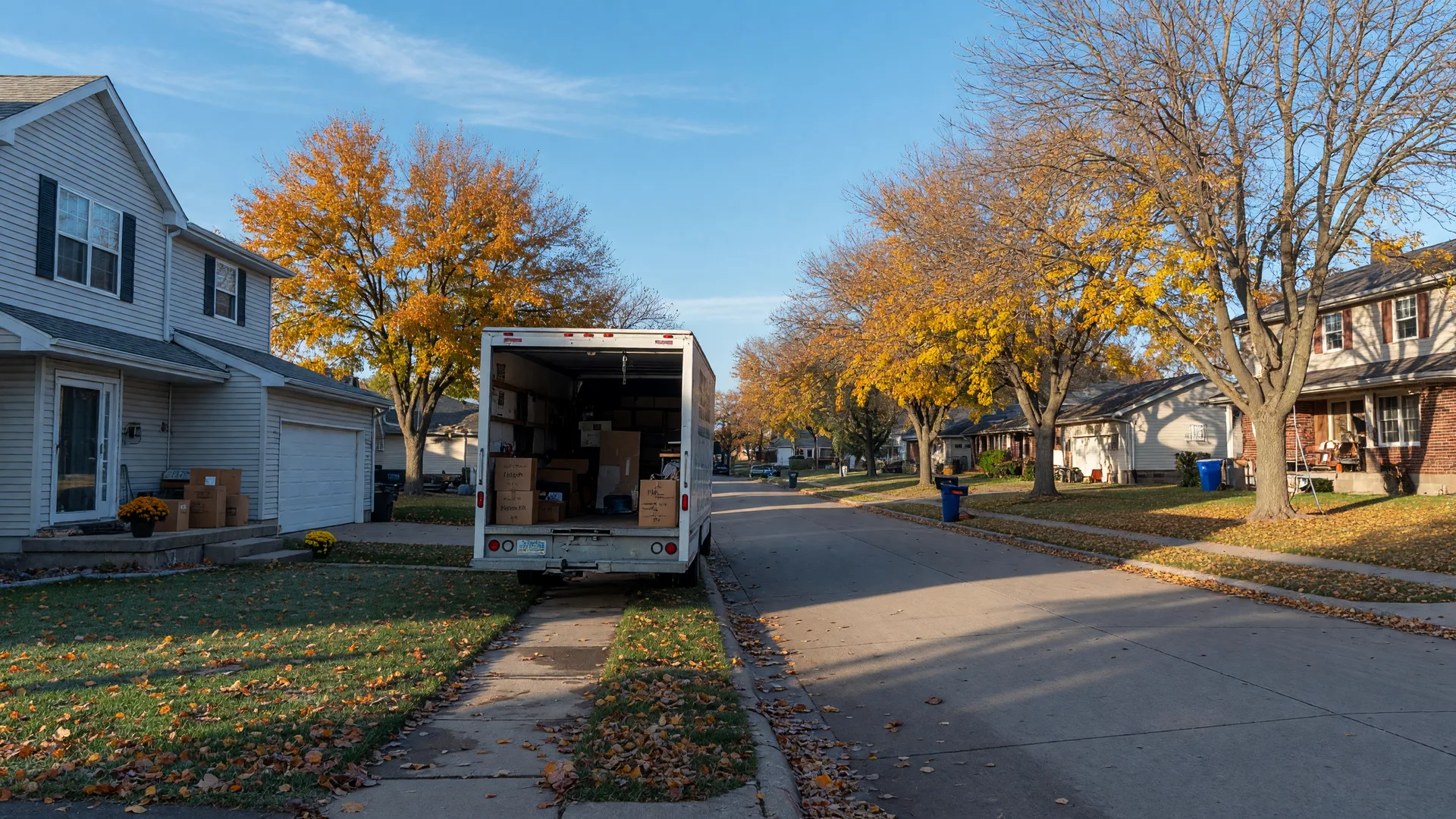
Should you sell first or buy first when you are moving up in Sioux Falls? For most homeowners in today's balanced market, selling first is the safer and stronger position: you know exactly what your current home is worth, you are not carrying two mortgages, and your offer on the next home looks serious to the seller. Buying first can still work when your situation is right for it, and there are middle paths, like rent-backs and bridge financing, that let you do both on your own timeline. I'm Jennifer Krosch, a Realtor with eXp Realty, and I help move-up sellers in Sioux Falls work through this question every month.
About this article
Market figures in this article come from the August 2026 Sioux Falls market report published by SiouxFalls.Business on September 9, 2026, the most recent data available at the time of writing. Financing options such as sale contingencies, bridge loans, HELOCs, and rent-backs are described from standard mortgage industry guidance current as of this writing. Numbers change, so confirm the details with your lender and your Realtor before you build a plan around them.
Why this question comes up so often in Sioux Falls
Most move-up buyers are also sellers, so the sequence question is unavoidable. List your current home first, sell it, and then shop with a clean offer. Or find your next home first, get an offer accepted, and then scramble to sell before the closing date. The order you choose changes everything: your budget, your negotiating position, and how much you sleep that month.
Here is what the market looks like right now. In August 2026, the most recent full month of data, Sioux Falls was a balanced-to-slightly-seller-favored market. The median sale price was about $330,000, inventory sat at roughly 3.7 months of supply, and sellers received about 97.3% of their original list price on average. Homes averaged around 75 days on the market in the city. Translated into plain English: homes are selling, buyers have more choices than they did a couple of years ago, and a well-priced house still gets attention. That setting favors the seller who is organized, which is most of the battle when you are doing two transactions at once.
Why do most experts recommend selling first?
Three practical reasons make selling first the default advice for families in Sioux Falls. The first is clarity. Until your home closes, you do not know your exact equity, and your down payment and monthly budget for the next house are built on that number. Sold first, you know the check is real, the taxes are settled, and the new budget has a firm foundation. A listing on the market with a price and a marketing plan is still a projection. A closed sale is a fact.
The second reason is cash flow. Carrying two mortgages, two utility bills, two insurance policies, and two properties to maintain is expensive, and it quietly erodes the equity you worked for. Selling first means the old house stops costing you money before the new one starts.
The third reason is the offer itself. When you write an offer on your next home without a sale contingency, you are the buyer every seller wants: no risk that the deal falls apart because your house did not sell. In a market with tight inventory like Sioux Falls, listing agents present several offers, and a clean offer with a strong pre-approval routinely beats a contingent one at a similar price. That is real negotiating power.
When does buying first make sense?
Buying first is not wrong, it just needs the right circumstances. It makes sense when you can fund the next down payment without the proceeds from your current sale, whether that means cash, strong savings, a home equity line of credit, or a bridge loan. It also works when you have the financial room to carry both homes for a few months, and when your timeline is flexible enough to withstand a slow sale.
The risk side is just as important. If you buy first, you are racing to sell your current home before the new closing date, and under pressure, sellers accept lower offers. You may also feel forced to take the first offer that comes along, even when it is not a good one. And if the sale falls through, you own two homes. I have watched homeowners spend their entire equity just covering the overlap, so I always ask the money question before the house question.
If you do choose to buy first, talk to your lender about a sale contingency offer. It is a condition in your offer that says the purchase only completes if your current home sells by an agreed date. It protects you, but it makes your offer less attractive, so expect to compensate with price, terms, or a flexible closing date, and have a backup plan if the contingency needs to run its course.

What is a rent-back agreement?
The rent-back is the tool that makes selling first painless for most families. You sell your current home, but the purchase agreement lets you stay in it as a renter for a set period, typically 30 to 60 days, while you close on your next home. The buyer collects rent for that time, usually at an agreed daily or monthly rate, and you avoid moving twice, storing your furniture, or living out of suitcases.
The beauty of a rent-back is that it untangles the chicken-and-egg problem. You can close the sale of your old home first, lock in the equity, and then close on the new home when it is ready, all without leaving your house. Just get the terms in writing: the rent amount, the move-out date, what happens if the new closing slips, and who covers utilities during the rental period. In Sioux Falls, rent-backs are common enough that buyers understand them, but the agreement still needs to be precise.
What is a bridge loan?
When you need the equity from your current home before it sells, a bridge loan can bridge that gap. It is short-term financing, usually 6 to 12 months, secured by the equity in your current home and used to fund the down payment on the new one. Interest rates typically run in the 7% to 12% range plus fees, and you can briefly carry two mortgages, so it is a tool for a short, well-planned gap, not a long one.
A home equity line of credit is the cousin that is often cheaper. A HELOC is a line of credit against your current home's equity that you draw on when you need it, and you can open it before you list. Because HELOC rates are usually lower than bridge loan rates, many Sioux Falls buyers set one up as insurance even when they plan to sell first. The catch is qualifying: you need to carry the HELOC payment alongside your current mortgage until the sale closes, so your lender will want to see the whole picture. If you think any of this fits your situation, that conversation starts with your lender, and I am happy to point you to lending partners I trust.
How do you pull off buying and selling at the same time?
The order matters less than the preparation. Here is the five-step plan I walk my move-up clients through, whether they sell first, buy first, or coordinate the two closings.
Step one: get a real valuation, not a guess. Online estimates are a starting point, not a number to plan a life around. A comparative market analysis from a local Realtor uses recent closed sales in your neighborhood, and your equity is the foundation of everything that follows. Step two: get pre-approved for the next home and ask the lender directly about bridge loans and HELOCs, so you know your options before you need them.
Step three: prepare your home to sell before you list it. The cheap, high-visibility work, fresh neutral paint, deep cleaning, and real repairs, almost always pays for itself. Step four: decide the sequence with your Realtor and set the closing dates to work together, which is where a rent-back on the old home or a flexible closing on the new one earns its keep. Step five: price your current home correctly from day one. The first two weeks on the market are the most important, and homes that start overpriced tend to sell for less in the end.
What I tell my move-up clients
My honest advice every time: pick the sequence that protects your money, then let the houses follow. Selling first gives you the most control in this market, and a rent-back takes away the only real downside. If you decide to buy first, make sure you can fund the overlap without touching the equity you have not received yet. And run the full monthly math on the next home, not just the number on the pre-approval letter: property taxes, insurance, utilities, and maintenance all show up on South Dakota statements just like everywhere else. One advantage you do get here: South Dakota has no state income tax, and that keeps more of every paycheck in your pocket, which genuinely helps the monthly budget on a larger home.
If you are in the middle of this juggling act now, you are not the first family to feel it. I have been through it with a lot of Sioux Falls homeowners, from first-time move-ups to empty nesters downsizing, and the people who do best are the ones who talk through the money first and the houses second. The full walkthrough of this process, including the quiet parts of a South Dakota sale, lives in my move-up sellers guide, and I am always happy to sit down and map out your numbers.
FAQ: Selling and buying at the same time in Sioux Falls
Should I sell my house before buying a new one?
In today's balanced Sioux Falls market, selling first is usually the stronger choice. It shows you exactly what your current home is worth, avoids carrying two mortgages, and makes your offer on the next home more attractive because it has no sale contingency. If you need the proceeds from the sale to fund your next down payment, selling first is almost always the right call.
Can I buy a house before selling my current one?
Yes, but it costs more in risk and cash flow. You need a down payment without the sale proceeds, usually from savings, a home equity line of credit, or a bridge loan, and you must be able to carry both homes until your current one sells. It works best for cash buyers or homeowners with strong equity and a flexible timeline.
What is a sale contingency?
A sale contingency is a condition in your offer that says the purchase only goes through if your current home sells by an agreed date. It protects you from owning two homes, but it makes your offer less attractive. In a Sioux Falls market where inventory is tight, sellers often choose a clean offer over a contingent one, so a contingent offer usually needs strong terms to compete.
What is a rent-back agreement?
A rent-back lets you sell your current home but stay in it as a renter for a set period, typically 30 to 60 days, while you close on your next home. The buyer collects rent for that time, you avoid a temporary move, and the two transactions can close in the order that works for you. The terms, including the rent and the move-out date, should be written into the purchase agreement.
What is a bridge loan?
A bridge loan is short-term financing, usually for 6 to 12 months, secured by the equity in your current home and used to fund the down payment on a new home before the old one sells. Interest rates typically run in the 7% to 12% range plus fees, and you can briefly carry two mortgages. It works best when your equity is strong and the gap between closings is short.
Is it a good time to sell and buy in Sioux Falls right now?
The August 2026 market data shows a balanced-to-slightly-seller-favored market: a median sale price around $330,000, about 3.7 months of supply, and sellers receiving roughly 97.3% of their original list price, with homes averaging about 75 days on the market in the city. Homes are selling, buyers have more choices than a few years ago, and sellers who price correctly from day one are in a strong position. Selling first generally gives you the most control.