
What Happens If the Home Appraisal Comes in Low in Sioux Falls?
A low appraisal does not automatically kill your deal, but it does change the terms. Here is exactly what happens, what your options are on both sides of the table, and how the current Sioux Falls market fits in.
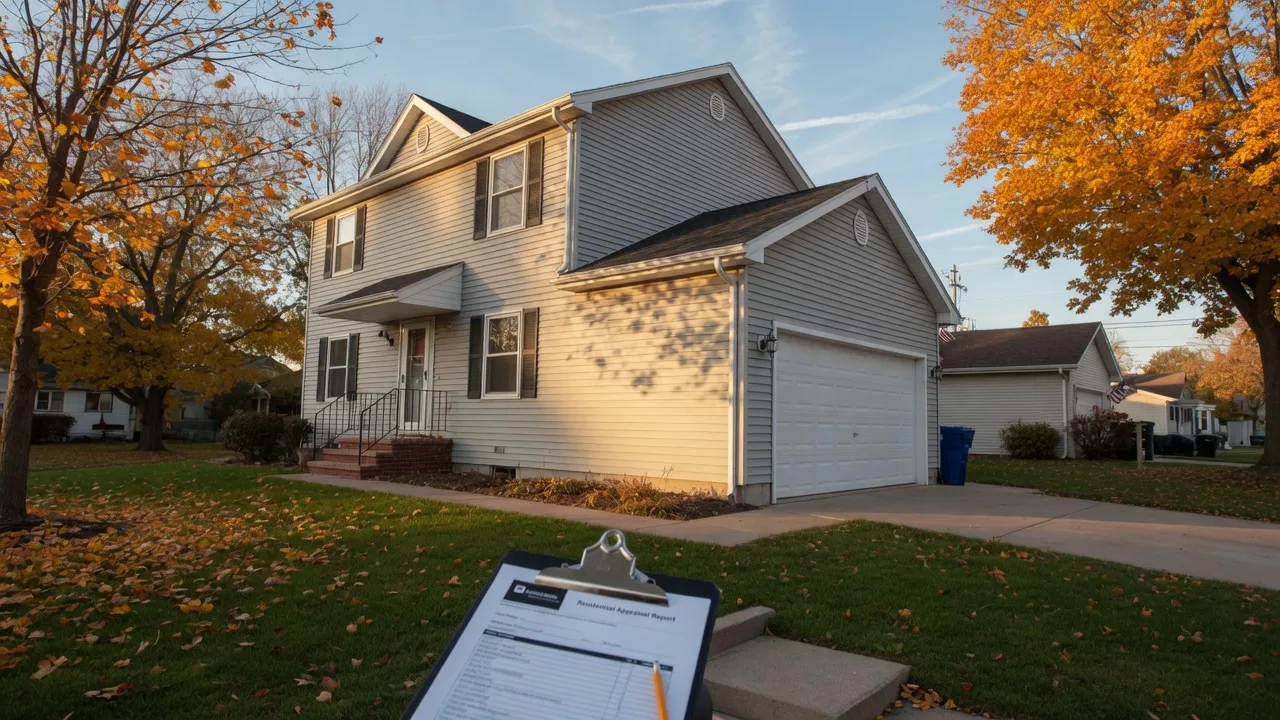
You found the home, your offer was accepted, and then the appraisal comes in below the price you agreed to pay. It is one of the most common anxiety moments in a real estate transaction, so let me answer it plainly: a low appraisal does not automatically end the deal, but it does change the terms, because your lender will only lend based on what the appraiser says the home is worth, not what you offered. I'm Jennifer Krosch, a Realtor with eXp Realty in Sioux Falls, and after 20+ years in construction, electrical work, and safety, I have seen appraisals from every side. Here is how it works and what you can actually do about it.
About this article
Appraisal and closing-process details come from Freddie Mac, Zillow, and NerdWallet, plus the South Dakota Real Estate Commission's consumer guide. September 2026 market figures come from the Realtor Association of the Sioux Empire as reported by SiouxFalls.Business and KELO, current as of this writing. I have only included numbers I could confirm in this week's sources.
What a home appraisal is and why your lender requires it
An appraisal is an independent estimate of a home's market value prepared by a licensed appraiser. When you finance a purchase, your lender requires one because the loan is secured by the house: if you ever stopped making payments, the lender would have to sell the home to recover the balance, so it wants to know the home is actually worth the money being lent. The appraiser looks at the property's condition, size, layout, updates, lot, and location, then compares it to recent sales of similar homes close by. Those recent sales are called comparables, or comps, and they carry most of the weight in the final number.
The buyer pays for the appraisal, typically as part of closing costs. In South Dakota, a standard single-family appraisal runs roughly $400 to $850, with FHA, VA, multi-unit, or acreage properties usually costing a bit more. The lender orders the appraisal shortly after the contract is signed, which is why it usually lands a week or two into the transaction, right around the same time as the home inspection.
One thing I tell every buyer: an appraisal is not the same as an inspection, and it is not the same as your agent's opinion of value. The inspector tells you about condition. The appraiser tells your lender about market value. Neither answers the other's question, and you want both done well.
What happens when the appraisal comes in low: the appraisal gap
When the appraised value is lower than your agreed purchase price, the difference is called an appraisal gap. Say you offered $360,000 on a home and the appraisal comes back at $350,000. Your lender will base your loan on $350,000, not $360,000, which means your loan amount shrinks and your out-of-pocket cost grows by the $10,000 gap, unless the price comes down. That is the whole problem in one paragraph, and it is why everyone, buyers and sellers alike, needs to know the options before the number lands.
Your options as a buyer when the appraisal comes in low
Renegotiate the price. The cleanest path is often to ask the seller to lower the price to the appraised value, or to split the difference with the seller. Sellers are usually willing to listen, because the next financed buyer would likely get the same appraisal result. You hold more cards than it feels like in that conversation.
Pay the gap in cash. If the home is worth it to you, you can bring additional cash to cover the difference, which effectively means a larger down payment. Buyers who plan for this sometimes include an appraisal gap coverage clause in the offer, spelling out how much of the gap they will cover up to a stated maximum. It is a strong signal to sellers that your offer will survive the appraisal process.
Challenge the appraisal. Appraisals are opinions, and opinions can be wrong. You and your agent can review the report, and if the appraiser missed a recent sale, used a weak comp, or overlooked real improvements, you can ask the lender for a reconsideration of value. The lender and appraiser review the additional comparable sales you provide, and occasionally a second appraisal is ordered. It does not always change the number, but a well-documented challenge succeeds more often than most people expect.
Walk away. If the contract includes an appraisal contingency, which most financed offers in the Sioux Falls area do, you have a defined window to renegotiate, waive the issue, or terminate the contract and get your earnest money back. This is why the contingency matters: without it, backing out can put your earnest money at risk. Asking an agent to walk you through the exact wording in your contract is the responsible move, since the language decides what you can do.
What sellers can do when the appraisal comes in low
Sellers have real options too, and the first is to read the appraisal carefully. If the appraiser leaned on stale or mismatched comparables, the seller's agent can submit supporting sales through a reconsideration of value. If the report is fair, the practical question is usually whether to meet the appraised price, split the gap, or hold firm and risk the buyer walking. In a market where the next financed offer would hit the same number, holding firm often just delays the same conversation.
A seller can also offer concessions, like a closing cost credit, to help the buyer bridge the gap without changing the contract price, or in some cases the parties agree to seller financing for part of the difference. And if the home now looks priced above what financed buyers can support, the honest answer may be to relist at a realistic number and let the market tell the truth. The sellers who do best here are the ones who treat the appraisal as information, not insult.
How often do appraisals come in low?
Less often than buyers fear. According to Freddie Mac, about 1 in 10 homes appraises below the agreed price nationally, and most of those deals end up renegotiated rather than cancelled. Low appraisals are more common when the market is moving fast and prices are climbing faster than the sales records can catch up, or when a home is unusual enough that no close matches exist. For the rare home with genuinely no comparable sales nearby, an appraiser has to reach further for comps, and that is where surprises live.
What the September market data says about appraisals in Sioux Falls right now
Here is where this conversation lands in our market. In September 2026, the Realtor Association of the Sioux Empire reported a median sale price of $344,600 in the city of Sioux Falls, up about 1.8% from a year earlier, with an average of 86 days on market across the metro and inventory down 24.8% to 1,379 homes for sale. Months of supply sat at 3.9. The metro average sale price hit a record $456,855, boosted in part by a handful of high-dollar sales, which is a useful reminder that averages and medians tell different stories.
That data describes a market that has cooled from the peak years. A large share of local homes sell at or under their list price, days on market are longer than they were in 2022 and 2023, and buyers have room to negotiate. In that kind of market, wide appraisal gaps are less common than they were in a bidding war, because prices are not racing ahead of the sales records. But they can still happen, most often with brand-new construction, heavily upgraded homes, or properties where the recent comps genuinely do not match. If your offer is aggressive in a hot corner of the metro, plan for the appraisal the same way you plan for the inspection.
How the appraisal fits into the South Dakota closing timeline
For context on the calendar: a typical financed closing in South Dakota runs about 30 to 45 days, with roughly 35 days the commonly cited target, and the average purchase loan closes in about 43 days. Cash purchases can close in about two weeks. After acceptance, the earnest money is typically due within a few business days, the inspection and the appraisal happen early in the window, and the title company runs the title search and issues a title commitment while your lender finishes underwriting.
One South Dakota detail worth knowing: our state does not require a real estate attorney at closing. A title company handles the closing, and that is completely normal here. If the appraisal comes back low, you have time inside that 30 to 45 day window to negotiate, challenge the number, or exercise your contingency, but you do not get unlimited time, so the discussion should happen quickly and with someone who knows the local comps cold.
Jennifer's advice: protect yourself before the contract
The best time to handle a low appraisal is before it happens. Three habits keep buyers out of trouble. First, get a realistic read on value before you write the offer: your agent should show you the recent sales in the neighborhood and tell you honestly where the home sits in that range. With my construction background, I am always looking at what a home's condition and updates are worth, not just what the list price says. Second, decide in advance how you feel about an appraisal gap: know how much cash you could comfortably cover beyond your down payment, and tell your agent so the offer can be written accordingly, with or without a gap coverage clause. And third, keep the appraisal contingency in place unless you and your agent have a specific reason to remove it. It is one of the few real protections you carry into a purchase.
A low appraisal is a bump in the road, not the end of the journey. Deals get renegotiated, reconsiderations get won, and buyers and sellers reach fair middle ground every week in this market. What you need is someone who will give you the straight answer on what the number actually means, and then help you act on it. I would love to be that person for you, whether you are buying, selling, or just starting to run the numbers.
FAQ: Low Home Appraisals in Sioux Falls
What happens if a house appraises for less than the offer price?
The lender will only approve a loan based on the appraised value, not the contract price, so the difference is called an appraisal gap. The buyer and seller can renegotiate the price, the buyer can make up the difference in cash, either side can challenge the appraisal with better comparable sales, or the buyer can walk away and get their earnest money back if the contract includes an appraisal contingency.
Who pays for a home appraisal in South Dakota?
The buyer typically pays for the appraisal as part of closing costs, and the lender orders it shortly after the offer is accepted. For a standard single-family home in South Dakota, expect roughly $400 to $850, and somewhat more for FHA, VA, multi-unit, or acreage properties.
Can you back out of a purchase agreement if the appraisal is low?
Yes, if your purchase agreement has an appraisal contingency, which most financed offers in the Sioux Falls area include. The contingency gives you a defined window to renegotiate, waive the issue, or terminate the contract and have your earnest money returned. If you removed the contingency in writing, or never had one, backing out may put your earnest money at risk.
How often do appraisals come in low?
Nationally, about 1 in 10 homes appraises below the agreed price, according to Freddie Mac. Low appraisals are more likely in a quickly moving market or on unique homes without close comparable sales. In a more balanced market like Sioux Falls in 2026, where a large share of homes sell at or under their list price, they happen but are not the norm.
Can a seller lower the price after a low appraisal?
Yes. Many sellers will renegotiate to the appraised value or split the difference, because the next financed buyer would likely face the same appraisal result. Sellers can also review the appraisal and give the lender supporting comparable sales through a reconsideration of value before they agree to drop the price.
How long does it take to close after an offer is accepted in South Dakota?
A typical financed closing in South Dakota runs about 30 to 45 days, with roughly 35 days the commonly cited target, and the average purchase loan closes in about 43 days. Cash purchases can close in as little as two weeks. The appraisal is usually ordered right after the contract and inspection, and a title company handles the title search, the title commitment, and the closing itself.