New Construction vs. Existing Rental Properties: What Investors Should Compare
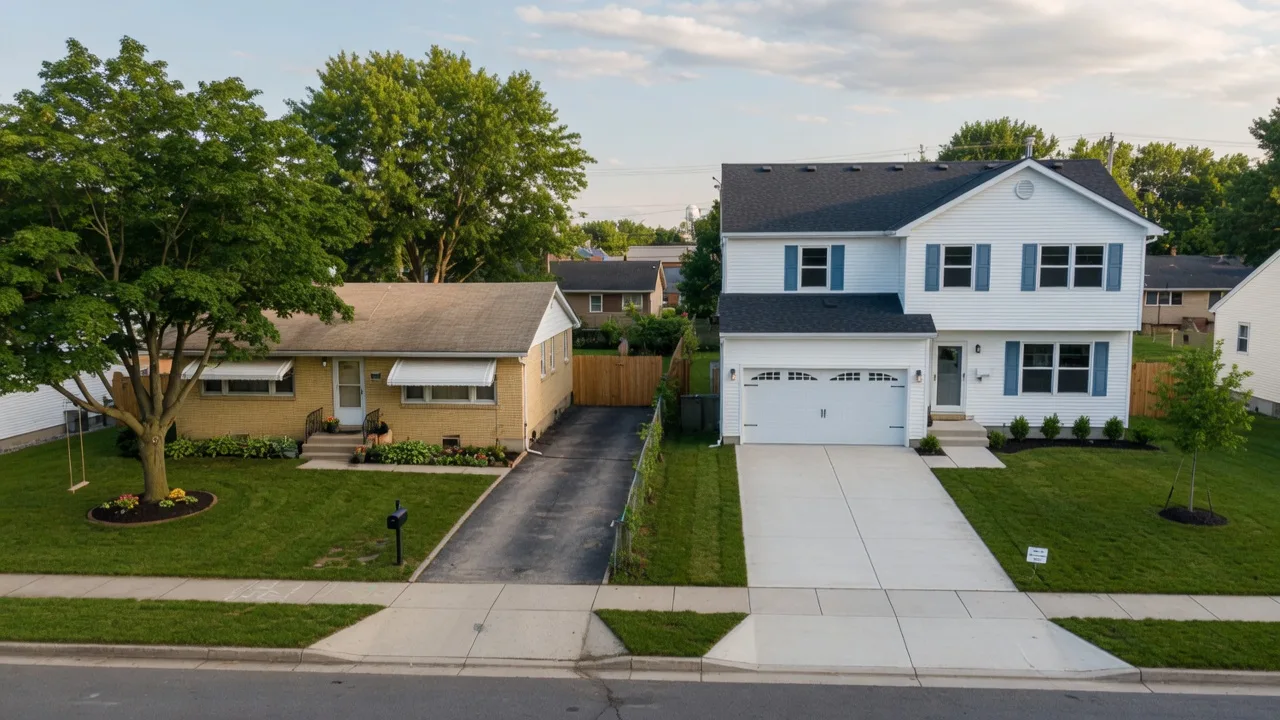
In Sioux Falls, South Dakota, investors comparing brand-new construction with existing rental homes are weighing two very different property profiles. This guide compares them across the things that actually move your numbers: major systems, maintenance, insurance, purchase price, warranties, renovation costs, and long-term operating costs, so you can evaluate a specific new-construction investment property or resale on an apples-to-apples basis. I'm Jennifer Krosch, a Broker Associate and Realtor with eXp Realty, and my background in construction and with the City of Sioux Falls is built for exactly this kind of comparison.
Start With Total Cost Basis, Not Just the Sticker Price
The single most common mistake I see in the Sioux Falls market is comparing the asking prices of a new build and an existing home and stopping there. Purchase price is only part of the picture. New construction usually commands a premium over a comparable existing home, and an existing home can often be bought at a lower price point, but each comes with costs the other does not. The right comparison is total cost basis: the purchase price plus closing costs, financing, and every repair, renovation, and replacement the property needs before it rents and while you hold it.
I walk every investor through a holding-period view rather than a day-one view. What will this property cost you in total over the first five or ten years, and what can it realistically bring in rent across that same span? When you compare the two options that way, the lower sticker price of an older home can disappear quickly behind deferred maintenance, while the premium on a new build can look reasonable if it genuinely holds its systems and attracts quality renters. Neither answer is automatic, which is why the comparison has to be property by property.
Major Systems: New Mechanicals vs. Age and Upkeep
The biggest practical difference is age. A brand-new build comes with new HVAC, roof, windows, electrical, and plumbing, all sized and installed to current code, which means the clock on those big-ticket items starts at zero. An existing home's systems may need repairs or replacement sooner, and their remaining life depends less on the calendar than on how the previous owners maintained them. A twenty-year-old furnace that was serviced yearly can outperform a ten-year-old one that was ignored.
With my construction and workplace-safety background, I look at a few things on resales that most buyers never check: the age and condition of the mechanical equipment, the type and age of the roof covering, the electrical panel and whether it is fully loaded, the condition of plumbing and drainage, and the windows' seal and age. A professional home inspection is essential on any property, new or old, and it is a negotiating tool, not a formality. Condition varies widely with age and upkeep, so treat the inspection report as the evidence, not the year the home was built.
Maintenance: Punch Lists vs. Deferred Maintenance
New construction typically means lower near-term maintenance, but it is never maintenance-free. The first year usually brings a punch list: the small items the builder resolves under warranty, from nail pops and settling cracks to trim gaps and hardware that needs a tweak. Punch-list items rarely threaten cash flow, but they take coordination, and tenants expect them handled promptly. Budget the time and the follow-through.
Existing homes carry the opposite risk: deferred maintenance the previous owner may have postponed. Look for the signs in the inspection and your own walk-through, from an aging roof and worn mechanicals to grading issues, water stains, and outdated electrical. The key word is inspect and budget. Every dollar of deferred maintenance is an expense you are buying along with the property, and it does not disappear at closing. New construction starts light on maintenance and grows a little each year; existing homes start wherever the last owner left them, which can be excellent or rough.
Insurance: Get Real Quotes, Not Generalities
Insurance rates for a rental property vary with home age, condition, systems, and property specifics, and I will never promise a specific premium for either type of property. New-build efficiency features, like newer roofing and updated electrical, may help with eligibility and pricing, and some markets favor properties whose systems are recent, but rates are set by the insurer's underwriting, not by the age of the house in the abstract.
What I strongly recommend is that investors get actual landlord or rental-property quotes, including dwelling coverage, liability, and possibly loss of rent, for the specific address during your due diligence, before you write the offer if you can. Ask each insurer how the property's age, systems, and condition affect the quote, and remember that replacement cost on a brand-new build can be higher than on an older structure. A policy that reads as a dollar amount on a worksheet, but not as a real quote, can throw your operating budget off by more than you expect.
Purchase Price: The Premium and What It Buys
New construction in the Sioux Falls area generally sells at a premium to comparable existing homes on the same street and in the same neighborhood. That premium buys a finished product with no deferred maintenance and no updating bill, which can be worth a great deal to an investor who wants predictable early years. But it also raises your purchase price, your financing cost, your taxes, and your insurance basis, all of which the rent has to cover.
An existing home can often be bought at a lower price point, sometimes well below replacement cost, but the savings only count if the repair and replacement costs do not eat them. The way to value the premium is to ask what it pays for in your specific scenario: a newer roof and HVAC that you will not replace in year three, appliances under a warranty, and a property that competes well for renters. If the neighborhood's rents cannot support the higher basis, the premium does not pencil out as an investment, even if it feels like the safer buy.
Warranties: Read the Actual Document
Builder warranties are limited in scope and term, and every builder's written warranty is different. Coverage for workmanship, systems, and structure varies, usually with time limits, exclusions, a defined claim process, and its own rules about whether coverage transfers if you sell or lease the home. Some builders add third-party warranty programs that extend or replace their own coverage. I recommend against relying on the marketing sheet: ask for the actual warranty document before you sign, and read what is covered, what is excluded, when coverage starts, and how you file a claim.
Existing homes are almost always sold as-is, meaning there is typically no transferable warranty, and every system is yours from day one. That is not a reason to avoid them, but it is a reason to price your offer for the risk you are assuming. Between the two, a well-read warranty is a real advantage for new construction, and an unread one is a false comfort. Keep a copy of every warranty and the claim contact with your property records either way.
Renovation Costs: What Existing Homes Need to Compete
An existing home will often need upgrades to compete for quality renters in its neighborhood: kitchens, baths, flooring, paint, and sometimes mechanicals. Those costs are real and they arrive early, so they belong in your purchase analysis, not after closing. Get actual contractor estimates for the work the property needs before you commit, and hold a reserve for the work you discover after move-in. My years across construction and workplace safety mean I can help you spot the difference between a cosmetic refresh and a systems replacement, and those two have very different price tags.
New construction flips the equation. The finish options you choose at the design center can raise the price above the base, and builders often show option lists that look small line by line and add up fast. For an investor, the right lens is the same for both: what does the property need to rent at the number you are underwriting, and what does that cost? A resale priced right after renovation can sometimes beat new construction on total basis; a new build with expensive upgrades can lose the advantage it started with.
Long-Term Operating: Build a Full Holding-Period Picture
After the purchase, the comparison is about how each property operates over your holding period. Set up the same line items for both: property taxes, insurance, HOA dues if any, maintenance and repairs, property management, vacancy, and turnover, plus rent that is realistic for the specific neighborhood, not the best-case number. A new build may have lower near-term maintenance and newer systems, but taxes and insurance on a higher basis can offset that, and a well-maintained existing home in a proven rental neighborhood can show an established rent history that a brand-new listing simply does not have.
I will be upfront that I cannot promise rent, occupancy, cash flow, appreciation, or returns for either type of property, and neither can anyone who does not know your specific deal. Every figure in your underwriting is an estimate until it is verified against the address. What I can do is help you build the full comparison and stress-test it: run each property through the investment calculator on the Investor Hub, verify current comparable rents and actual operating data, and compare both options side by side rather than trusting a single headline number.
My honest view after years in this market is that new construction and existing homes both produce good Sioux Falls rentals, and both produce bad ones. The difference is rarely the age of the house. It is whether the specific property's purchase price, operating costs, and realistic rent line up for you as an investor. Two related guides go deeper on this comparison: Is a Brand-New Townhome a Good Rental Investment in Sioux Falls, SD? covers the new-construction side of the equation, and the Investor Resources category collects the rest of the education on evaluating Sioux Falls rental property.

About the author
Jennifer Krosch, Broker Associate · eXp Realty
Jennifer is a Realtor and Broker Associate with eXp Realty in Sioux Falls, licensed in South Dakota (license 21816). Her background across construction, electrical work, and workplace safety, including prior work with the City of Sioux Falls, gives her a practical eye for comparing new construction and existing homes for investors. More about Jennifer · Client reviews
Frequently Asked Questions
Is new construction always more expensive to buy than an existing home?
Not always, but usually. Brand-new construction generally commands a premium over a comparable existing home in the same area because you are paying for new systems, new finishes, and a builder's profit on top of the land and construction cost. That said, price per square foot varies a lot by neighborhood, by builder, and by the condition of the resale you are comparing against. The more useful comparison is total cost basis: what you pay to buy the property and what you will spend to get it renting. An existing home can be bought at a lower sticker price and still end up costing more once repairs and renovations are added, or less if it needs little work. Run both properties through the same numbers rather than assuming new is always pricier.
Do new builds really need less maintenance than existing homes?
In the early years, usually yes, but not zero. New construction comes with new HVAC, roof, plumbing, electrical, and windows, so the age-related failures of an older home simply are not there yet. But a brand-new house still needs attention: the first year often brings a punch list of small items the builder addresses under warranty, from settling cracks to trim gaps to a door that no longer lines up, and tenants expect those handled promptly. Existing homes vary far more widely: a 1990s home that was well maintained can be in excellent shape, while a newer home that was neglected can carry deferred maintenance. The honest answer is that condition, not age alone, drives maintenance, and every property needs an inspection and a maintenance reserve.
Are builder warranties worth it on a rental property?
They can be, but only if you understand what they actually cover. Builder warranties are limited in scope and term: the coverage for workmanship, systems, and structure differs by builder, usually with time limits, exclusions, and a defined claim process, and not every contract transfers to a new owner the same way. Some cover major systems for one period and structure for a different period; some rely on third-party warranty programs. What matters for an investor is reading the actual warranty document before you sign, noting what is covered, what is excluded, and how you file a claim, and keeping a copy with your property records. A warranty that covers what you expect can absorb real cost; one you never read may cover far less than the marketing suggests. Existing homes usually sell as-is with no warranty at all, which is a difference you should price into your offer.
Which performs better as a rental: new construction or an existing home?
There is no universal answer, and the right choice is property-specific. New construction typically means lighter near-term maintenance, modern systems, and a written warranty, but a higher purchase price means the rent has to cover more. An existing home can offer a lower entry price and a track record of what it has actually rented for, at the cost of older systems and more frequent repairs. The numbers that decide it are the purchase price, financing cost, taxes, insurance, HOA dues, maintenance reserve, vacancy allowance, and the rent the property can realistically command in its specific neighborhood. I help investors work through that comparison on individual properties rather than assuming new always beats existing, and the investment calculator on the Investor Hub walks the same math step by step.
Estimates disclaimer
All investment figures on this page are estimates only and are not guaranteed. Rental income, occupancy, cash flow, appreciation, and returns are projections, not promises, and actual results will vary based on the real purchase price, financing, rents, vacancy, expenses, and market conditions. Nothing here is a substitute for a professional property-specific analysis, and Jennifer does not provide licensed home inspection, tax, or legal advice: for those, work with a licensed inspector, CPA, tax advisor, and attorney. Investors should consult qualified tax and legal professionals before making any investment decision.
Want to compare a specific new-construction investment property against an existing rental on the same numbers? I'll run both through the same operating-cost framework and point out what the inspection and the totals are really telling you. Call or text 605-214-6482, or book a consultation online. No pressure, no guesswork.
Related guides and tools
Investor Resources: the investor education hub from Jennifer Krosch, with cornerstone guides and tools for evaluating Sioux Falls rental property.
Is a Brand-New Townhome a Good Rental Investment in Sioux Falls, SD?: the deeper look at the new-construction side of the comparison, including HOA rental rules and price premium.
Sioux Falls Investment Properties: the Investor Hub with current opportunities and the investment calculator.
Request the investor property report: get current details on properties available to investors in the Sioux Falls area, by request.
Contact Jennifer Krosch: start the conversation about your next investment property.