
How to Prepare Your Home for Winter in Sioux Falls
The pre-freeze checklist: furnace, pipes, roof, and drafts, plus what buyers and sellers should watch for when the snow flies. Here is the honest version.
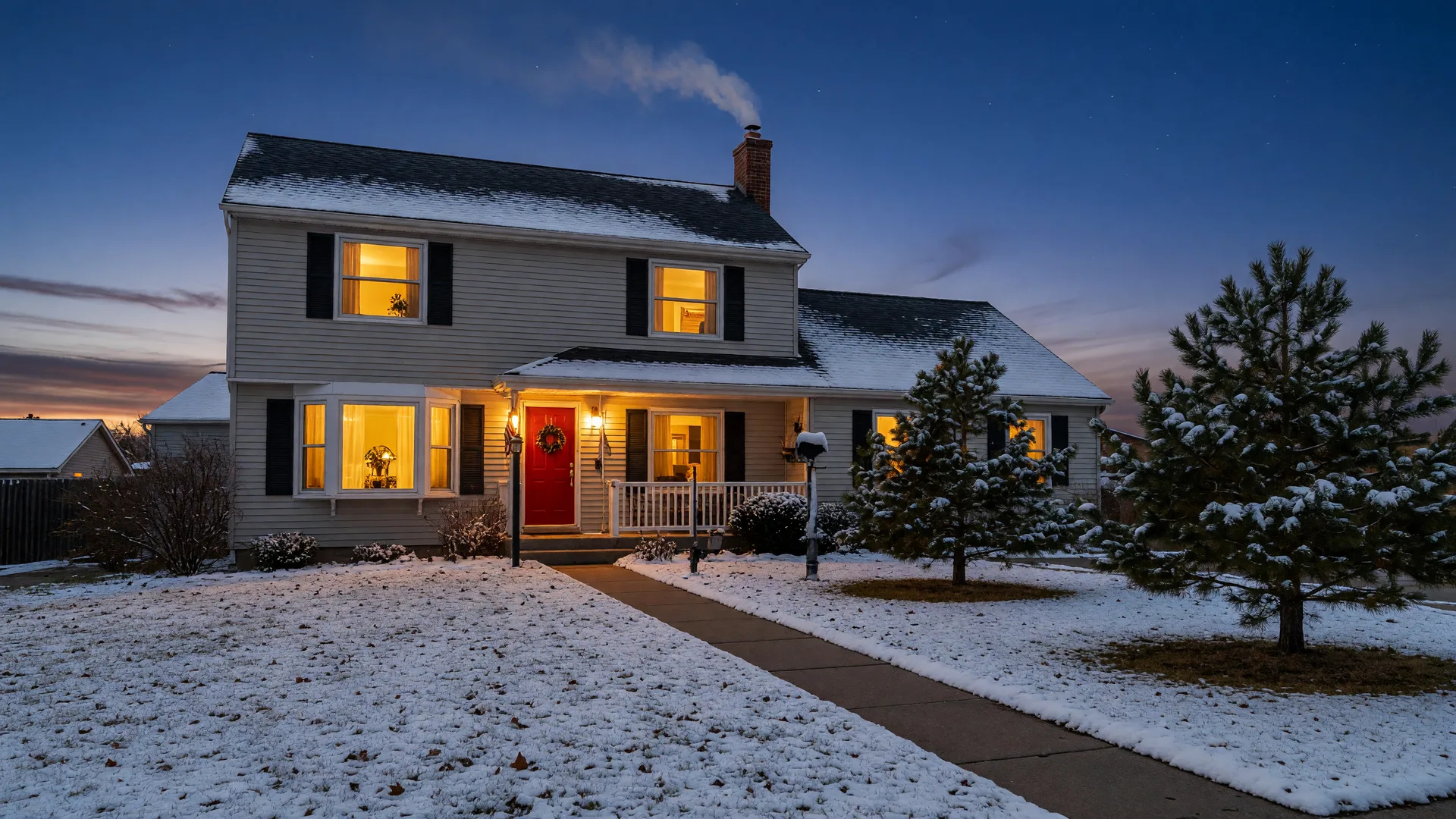
October is when Sioux Falls homeowners get the winter ready, and the work is more than raking leaves. This guide walks through the pre-freeze checklist in order: furnace and filters, pipes and exterior spigots, roof and gutters, drafts and windows, and the outdoor jobs that protect your foundation and drainage. I'm Jennifer Krosch, a Realtor with eXp Realty in Sioux Falls, and my background in construction, electrical work, and workplace safety is exactly the background this season asks for.
Why October is the deadline in Sioux Falls
The first hard freeze here arrives sooner than most people expect. National Weather Service records put the average first 32-degree freeze around late September to early October, and NOAA's 1991 to 2020 climate normals give about a 50 percent chance of that first freeze by October 6 and an 80 percent chance by October 15. November averages highs near 42 to 43 degrees and lows near 23, and by January the average low drops to about 6 to 7 degrees with highs averaging in the mid-to-upper 20s. Throw in the roughly 33 to 45 inches of snow the city averages most winters, heaviest in January and February, and there is a real cost to putting this checklist off.
There is also a scheduling reason to act now. Heating companies, chimney sweeps, and insulation crews book up fast once the first cold snap hits, and the same furnace tune-up you could schedule in October over the summer is the service call that waits two weeks out in December. A few afternoons of work on a mild October weekend protects the house and keeps you ahead of the rush.
Furnace and heating system first: filters, service, thermostats, and detectors
Start with the system that will run for months straight. If you have not had the furnace serviced in the past year, schedule it now, and ask the technician to check the heat exchanger, burner, and the draft. A clean, tuned furnace is more reliable, more even, and less likely to leave you with a cold house at the worst possible moment.
Replace the filter on a schedule, not a guess. Thin 1-inch fiberglass filters should change about every 30 days, 1-inch pleated filters every 30 to 90 days, and thicker 4-inch media filters every 6 to 12 months. Plan for the shorter end of the range if you have pets, allergies, or heavy furnace use. A dirty filter restricts airflow, which makes the furnace work harder, heats the house unevenly, and can shorten the life of the equipment.
Set the thermostat by the numbers that actually save money. The U.S. Department of Energy recommends 68 degrees when you are home and awake, and setting the temperature back 7 to 10 degrees, to roughly 58 to 60, when you are away or asleep; done for eight hours a day, that set-back can cut heating costs by up to 10 percent. For a house that will sit empty for a stretch, keep it between 50 and 60 degrees and never below about 50 to 55, which protects the plumbing while still saving energy. Then test every smoke and carbon monoxide detector, replace batteries, and confirm there is a CO detector near the sleeping areas of the house, especially with a gas furnace, gas water heater, or attached garage involved.
Pipes and exterior water: the cheap fixes that prevent the expensive call
The most talked about winter call in Sioux Falls real estate is the frozen pipe, and almost all of it is preventable. Disconnect every garden hose and drain it, shut off and drain exterior spigots at the interior shutoff valve if the house has one, and shut down any hose bibs that feed exterior valves or any unprotected lines. Then walk the crawlspace, attic-pulled corners, garage, and any unheated utility room and insulate any exposed pipe you can see, or wrap or sleeve where pipe runs along an exterior wall. Every dollar spent on insulation here costs less than one service call on a January weekend.
Know where the main water shutoff is and make sure it actually turns. Label it, and make sure everyone in the house can find it in the dark. If a pipe ever does freeze, shut the water off before anything thaws, because the damage happens when melting water escapes, not while it is frozen.
During a cold snap, let a faucet drip slowly, ideally one on an exterior wall. Field research from the University of Illinois on uninsulated pipes in cold spaces found home plumbing is most at risk when outdoor temperatures hold at about 20 degrees or below for six hours or more. Sioux Falls winter nights routinely sit below 20 degrees, so the houses in the coldest spots, drafts over the sill plates, and pipes running through the garage, are the ones that need the most attention.
Roof, gutters, and ice dams: what to do before the first snow
Clean the gutters after the leaves come down, and do it before snow can stick to a clog. A full gutter full of frozen leaves is a gutter full of ice by February. While you are up there, look for loose, damaged, or missing shingles, and any flashing around chimneys, skylights, and valleys that looks lifted, because those are the same spots that leak under snow load.
The classic Sioux Falls winter problem is the ice dam, and it is worth understanding how it starts. Heat escaping through the attic melts snow on the roof, and the meltwater runs down to the cold eaves, where it refreezes. Over days that ice builds up and can push up under shingles and pull gutters off the roofline, and the water backs up into the house. The fix is preventive: keep the gutters clear, and keep the attic insulated and air-sealed so the heat stays in the living space instead of melting the snow on the roof. If you see long icicles hanging from the eaves mid-winter, that is the visible signal that heat loss is happening somewhere and the attic deserves a look in spring.
Drafts and windows: where the heat actually leaks
Walk the house on a windy day and feel the trouble spots. Doors get new weatherstripping and a door sweep, gaps between the door frame and the trim get caulked, and the openings I see most often missed are the sill plate between the foundation and the first floor, the rim joist in the crawlspace or basement rim, and the seal where the garage meets the house. Wiring and plumbing penetrations through exterior walls and attic floors leak air too, and outlet and switch plate gaskets on exterior walls are a cheap, easy fix.
For older windows, storm windows, insulating film, or heavy curtains over the drafty ones all help, and a drafty window is a fair sign that window replacement belongs on the maintenance list, not necessarily an emergency. The attic deserves one more look before the snow: you want adequate insulation and you want the vents and soffits clear, because a blocked attic vents the same heat loss that feeds ice dams.
Outside the house: grading, sprinklers, and the snow plan
Before the ground freezes hard is the only time you can fix drainage cheaply. Make sure the soil slopes away from the foundation all the way around the house, and that downspout extensions carry water well away from the walls. Water that pools against the foundation in October is water that freezes, heaves, and finds its way into the basement by March.
Shut down the irrigation system the way the installer recommends, usually by closing the interior shutoff, draining the backflow valve, and blowing air through the lines. Frozen sprinkler heads and backflow valves are an expensive spring discovery, and this is the one job worth paying a professional for if the system does not self-drain.
Then set up the snow plan before the first storm: shovel and ice melt at the door you actually use, and know what you will do about the driveway and walk. Shovel first and use ice melt sparingly, because deicers in the wrong places damage concrete, plants, and the lawn. Trim any branches that overhang the roof now, check the weather seal under the garage door, and put the outdoor GFCI outlets and exterior lights on the house. A well-lit, well-sealed house is easier to spot walking up to it in the dark of a South Dakota evening too.
For buyers: what a winter showing honestly tells you
Winter is actually a great season to shop Sioux Falls homes, because a cold-weather showing tells you a lot about how the house performs. Feel for drafts near the windows and doors, look at the attic insulation when you tour the top floor, and ask about the age of the furnace and water heater, when the furnace was last serviced, and the size of past heating bills. Ask whether pipes on exterior walls are insulated and where the main shutoff is, and notice whether the entry and walk are kept clear, which says a lot about how a current owner maintains the place.
Outside, look at where the snow sits on the roof, thick and even is normal, and where it has melted early could signal heat loss. Look for long icicles and ice buildup at the eaves, and for any sign of water stains on ceilings or around windows once you are inside. Windows that frost on the glass, doors that freeze shut, and a garage that never gets above freezing are all honest clues a spring showing hides. A home inspection is still the right next step before you commit, and with my construction background I can tell you more about what a good inspection covers.
For sellers: a winterized home answers questions before they get asked
If you are planning to list this fall or winter, treat the checklist as pre-listing prep. A warm, tight, well-lit house shows completely differently in December than one the buyers tour while freezing in the entry. A current furnace service record takes a common inspection question off the table before it is ever asked, a clean filter and a fresh CO detector battery are ten minutes of work, and knowing the utility bills means you can answer the heating-cost question buyers in January always ask with real numbers instead of a shrug.
The timing question is a separate conversation, and I wrote a full guide to selling a home in a Sioux Falls winter if you are weighing whether to list now or wait. For the house itself, though, the winterization work is the same either way, and it protects both your comfort and the value you are selling.
Your pre-freeze weekend plan
If you only have one weekend, do the work in this order: schedule the furnace service and swap the filter, disconnect hoses and shut off the exterior water, test the detectors and set the thermostat schedule, clean the gutters and eyeball the roof, caulk the worst drafts, and check the grading around the foundation and the downspout extensions. That is the short list that prevents the expensive calls and keeps the house comfortable through a January that averages single-digit lows.
I walk homes every week with this same checklist in mind, whether it is a buyer who wants to know what a property will really cost to keep warm, or a seller who wants to protect the condition of their biggest asset. That practical eye for condition is what twenty-plus years across construction, electrical work, and workplace safety trained me to see, and it is exactly what you want on your side of the table when the freeze arrives.
Winter home preparation FAQ
When should I winterize my home in Sioux Falls, SD?
Do it in October, before the first hard freeze. In Sioux Falls the average first 32-degree freeze lands around late September to early October, with about an 80 percent chance of a freeze by October 15, according to NOAA climate normals. November averages highs near 42 degrees and lows near 23, and by January average lows drop to the single digits, so the work you do in the next few weeks is what keeps the house comfortable and protected through the coldest stretch of the year.
At what temperature should I keep my house when I'm away in winter?
The U.S. Department of Energy recommends 68 degrees when you are home and awake, and setting the thermostat back 7 to 10 degrees, to roughly 58 to 60, when you are away or asleep; done for eight hours a day, that can cut heating costs by up to 10 percent. For longer absences, keep the house between 50 and 60 degrees, and never below about 50 to 55, so the pipes stay warm enough to avoid freezing.
How do I keep my pipes from freezing in a South Dakota winter?
Disconnect garden hoses and shut off and drain exterior spigots, then insulate any exposed pipes in crawlspaces, attics, garages, or along exterior walls. Know where the main water shutoff is and label it so you can find it fast in an emergency. During extreme cold, let a faucet drip slowly, especially on an exterior wall, because running water freezes far less often than standing water. Unprotected pipes are most at risk when temperatures hold at about 20 degrees or below for six hours or more.
How often should I change my furnace filter before winter?
Thin 1-inch fiberglass filters should be changed about every 30 days, 1-inch pleated filters every 30 to 90 days, and thicker 4-inch media filters every 6 to 12 months. Plan to change them more often if you have pets, allergies, or heavy furnace use. A clean filter keeps air moving, which is what keeps the heat even and the furnace from working harder than it should all winter.
Why do ice dams form on roofs, and how do I prevent them?
Ice dams form when heat escaping through the attic melts snow on the roof and the meltwater refreezes at the cold eaves, building up ice that can push under shingles and behind gutters. The practical prevention is to clean the gutters before the snow arrives, and keep the attic well insulated and air-sealed so heat stays inside the living space instead of melting the roof snow. Mid-winter icicles hanging from the eaves are the visible sign that heat loss is happening somewhere.
What should buyers look for when viewing a home in a Sioux Falls winter?
A winter showing tells you a lot about a home's condition honestly. Ask for the furnace's age and service records, check the filter, look at the attic insulation, and feel for drafts near windows and doors. Ask the seller or agent about past heating bills and utility history, look at where snow sits on the roof, and remember that a proper home inspection is still the right next step before you commit.