Buying a Rental Property Before December 31, 2026: What Investors Should Know
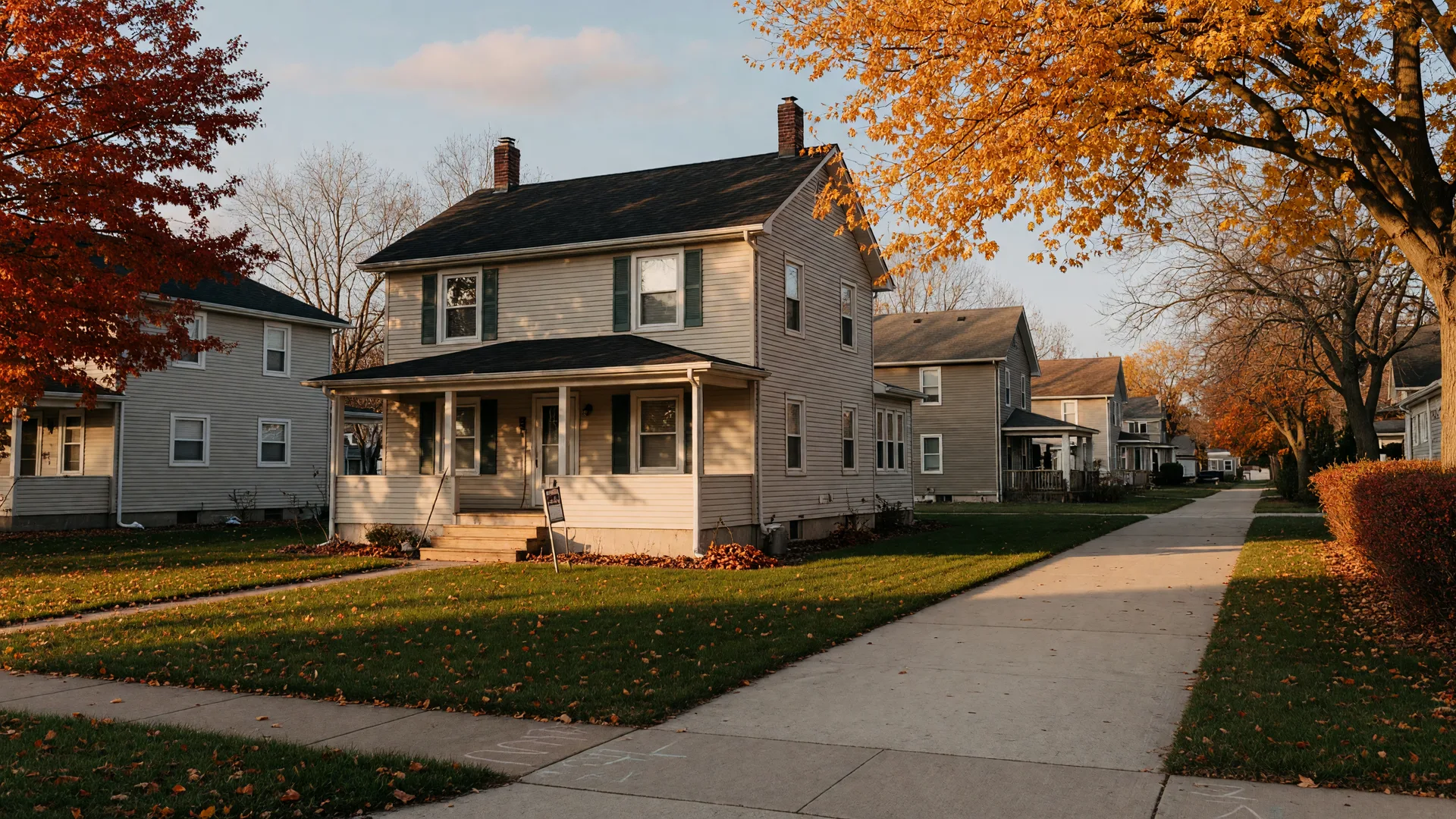
This guide covers what to know before buying a rental property in the Sioux Falls area with a year-end 2026 target in mind, written as of late 2026. The date shapes the framing, but the core of the article is evergreen: closing timelines, what “ready for rental use” really means, due diligence, the basics of 1031 exchanges, and the tax questions that only qualified professionals can answer. There are no guarantees here, and no promises of rent, occupancy, cash flow, appreciation, or returns. Any timing strategy, and every decision in this article, should be confirmed with qualified tax and legal professionals before you commit.
Time-sensitive note
This article was written as of late 2026, ahead of the December 31, 2026 year-end date. The timing discussion is framed around that date, but the underlying advice on due diligence, rental readiness, 1031 exchange basics, and tax planning stays useful after the date passes. There are no invented deadlines or 2026-specific rules in this article, and none should be assumed.
Why Investors Sometimes Target a Year-End Closing
December 31 is not a legal deadline to buy investment property, and there is no 2026-specific rule that makes it one. Instead, a year-end closing is a timing target some investors choose for practical reasons, and those reasons are worth understanding whether the date is this year or any year.
First, a closing date lands in a specific tax year, and investors sometimes plan around that for their own tax situation. Second, sellers can be more motivated as a year winds down, which can shape how a purchase is negotiated. Third, for new construction, a builder's delivery timeline can determine when a home is finished and closable, so an end-of-year target has to line up with the actual construction schedule. None of these are rules, and all of them depend on the specific transaction.
The honest caveat: any timing strategy must be confirmed with qualified professionals. Your tax advisor, lender, title company, and real estate attorney are the people who can tell you whether a year-end target actually serves your situation. I can help you understand the market and the property, but the timing decision is yours to make with your professional team.
What “Ready for Rental Use” Really Means
Before you count any rental income, the property has to actually be ready to rent, and “ready” is a practical and sometimes legal standard, not a marketing claim.
For new construction, ready to rent usually means the home is substantially complete, has received its certificate of occupancy, and all finishing details are done: fixtures, appliances, trim, paint, and the builder's final punch list. A home still waiting on a certificate of occupancy is not ready to rent, no matter how finished it looks.
For an existing home, ready to rent means it passes a professional inspection and any needed repairs are completed before tenants move in. Safety items, functioning systems, and livable condition come first. I never promise that a property is rental-ready, and neither should any estimate assume it. If a completion or repair list is uncertain, the property is not ready to rent yet.
Due Diligence Before You Commit
Due diligence is where good rental purchases are won or lost, and it starts long before closing. Here is what I walk through with investor clients in the Sioux Falls area, and every item deserves a real answer for the specific address:
- HOA rental rules. Read the covenants, conditions, and restrictions (CC&Rs) and the current rules before you offer. Many associations limit rentals, cap the number of rental units, require board approval, or set minimum lease terms.
- Local rental regulations. Check the city or county occupancy and rental requirements that apply to the specific property, since they vary by location.
- Rental demand and comparable rents. Research what comparable homes have actually leased for recently in that specific neighborhood, not what asking prices are listed at. A rent estimate is an assumption until it is tested against the market.
- Condition. A professional inspection, and for older homes a realistic repair reserve, because the purchase price is only the start of the investment.
- Title. A title search and review of the title commitment, so you know you are buying clear ownership.
- Realistic operating costs. Property taxes, insurance, HOA dues, maintenance, vacancy, and property management, estimated for the specific property, not a generic rule of thumb.
A useful way to stress-test the whole plan is the investment calculator on the Investor Hub, which walks rent, vacancy, operating expenses, debt service, and cash flow step by step, with every result clearly labeled an estimate.
1031 Exchanges in Plain Terms
A 1031 exchange, also called a like-kind exchange, is a tax strategy that can let an investor defer some capital gains tax when they sell an investment property and reinvest the proceeds into another qualifying investment property. The name comes from the section of the tax code, and the strategy is governed by detailed rules.
Two things investors often misunderstand: first, not any replacement property qualifies. The properties, and the way the exchange is structured, must meet the requirements, which is why a qualified intermediary typically facilitates the exchange and holds the proceeds during the transaction. Second, the timelines are strict and tightly defined. There are firm deadlines measured in days that are not flexible, which is exactly why exchange planning and any year-end planning have to happen together and early.
I want to be clear about my role: a 1031 exchange is a tax matter, not a real estate matter I can advise on. Qualified intermediaries and tax professionals must be involved, and the structure has to be set up before the sale closes. I can help you understand the property side, but the exchange question belongs to your tax professional. The Investor Resources category collects the rest of the investor education if you are working through these questions.
General Tax Considerations for Your Purchase
Beyond exchanges, there are broader tax questions that come with any investment purchase, and they are individual decisions, not one-size-fits-all rules:
- Ownership structure. Whether you buy in your own name, jointly, or through an entity changes your situation.
- Tax year. Which tax year the closing falls into, and what that means for you personally.
- Depreciation. Investment properties may involve depreciation over time, and how that applies depends on your circumstances.
- Financing. How you finance the purchase affects the numbers you plan around.
None of this is tax law I am stating here, and this article deliberately includes no specific tax rates or rules, because those are exactly the details that require a qualified tax professional who knows your full picture. Please do not base a purchase decision on general advice.
Build Your Team First
This is the most important point in this article: investors need advice from qualified tax professionals and legal professionals before making any purchase decision. I am a Realtor, not a tax advisor, attorney, or licensed inspector, and I do not provide tax, legal, or inspection services. Nothing here is a substitute for professional advice.
Your team should include a tax professional, a real estate attorney where your transaction calls for one, a qualified intermediary if you are considering an exchange, a lender, and a licensed inspector. I am glad to be part of that team on the real estate side, and I will tell you plainly when a question belongs to someone else on it. That honesty is part of how I help investors buy with confidence.

About the author
Jennifer Krosch, Broker Associate · eXp Realty
Jennifer is a Realtor and Broker Associate with eXp Realty in Sioux Falls, licensed in South Dakota (license 21816). Her background across construction, electrical work, and workplace safety, including prior work with the City of Sioux Falls, gives her a practical eye for property condition, infrastructure, and the real cost of owning a rental. More about Jennifer · Client reviews
Frequently Asked Questions
Is there a deadline to buy an investment property before the end of the year?
No. There is no law or rule that says an investment property has to be purchased by December 31, 2026, and this article is not claiming there is one. A year-end closing is a timing target some investors consider for practical reasons, such as which tax year the closing falls into, seller motivation, or a builder's delivery timeline. Whether a year-end target makes sense for you depends on your own tax situation, financing, and the specific transaction, and it must be confirmed with your tax professional, lender, and legal advisor before you commit. The due diligence, rental-readiness, and 1031 basics in this article stay useful whether you buy before the end of 2026 or in any year after it.
What does 'ready for rental use' mean?
Ready for rental use means the property is actually in a condition to be legally and safely occupied by a tenant, not just that it looks finished. For new construction, that usually means the home is substantially complete, has received its certificate of occupancy, and all finishing details, fixtures, appliances, and the builder's punch list are done. For an existing home, it means the property passes a professional inspection and any needed repairs are completed before tenants move in. I never promise that any property is rental-ready, because readiness depends on the specific property, its completion status, and local occupancy and rental requirements. Always verify readiness in writing before you count on rental income.
What is a 1031 exchange in simple terms?
A 1031 exchange, also called a like-kind exchange, is a tax strategy that can let an investor defer some capital gains tax when they sell an investment property and reinvest the proceeds into another qualifying investment property. The name comes from the section of the tax code, and the strategy is governed by detailed rules. A common misconception is that any replacement property qualifies, but the properties and the structure of the exchange must meet the requirements, which is why a qualified intermediary typically facilitates the exchange and holds the proceeds during the transaction. The timelines are strict and tightly defined, measured in days and not flexible, so exchange planning has to happen early and with professionals. A 1031 exchange is a tax matter: work with a qualified intermediary and a tax professional, and never rely on general advice for your own exchange.
Should I time my purchase for tax reasons?
That is a question only a qualified tax professional can answer for your specific situation. Whether a closing date falling in one tax year or another helps you depends on your ownership structure, your income picture, depreciation, financing, and a range of individual details that no general article can cover. There are no specific tax rates or rules stated here on purpose, because those are exactly the details that require professional advice. I can help you understand the property and the market, but the tax decision belongs to your CPA or tax advisor, and a real estate attorney where your transaction calls for one.
Can I rent a property out right after closing?
Not necessarily, and never assume it. Renting a property requires it to be ready for rental use, which for new construction means completion and a certificate of occupancy, and for an existing home means it passes inspection and any needed repairs are done. The property also has to comply with local occupancy and rental requirements and, where there is an HOA, the association's rental rules, which may require approval or set lease terms. I can help you verify these things for a specific property, but I do not provide licensed inspection, tax, or legal advice, and I never promise a property can be rented immediately. Confirm readiness and the local rules with the right professionals before you schedule any tenant move-in.
Estimates disclaimer
All investment figures on this page are estimates only and are not guaranteed. Rental income, occupancy, cash flow, appreciation, and returns are projections, not promises, and actual results will vary based on the real purchase price, financing, rents, vacancy, expenses, and market conditions. Nothing here is tax or legal advice, and no 2026-specific tax rules or deadlines are stated or implied. Investors must consult qualified tax professionals and legal professionals before making any investment decision, and Jennifer does not provide licensed home inspection, tax, or legal advice: for those, work with a licensed inspector, CPA, tax advisor, and attorney.
Thinking through a rental purchase in the Sioux Falls area, with a year-end 2026 target or any other timeline? I'll help you verify the numbers, the condition, and the local rules on a property you are considering. Request the current investor property report through the investor inquiry form on the Investor Hub, call or text 605-214-6482, or book a consultation online. No pressure, no guesswork.
Related guides
Sioux Falls Investment Properties: the Investor Hub with current opportunities, the investment calculator, and the investor inquiry form.
Investor Resources: the investor education hub from Jennifer Krosch, with cornerstone guides and tools for evaluating Sioux Falls rental property.
Is a Brand-New Townhome a Good Rental Investment in Sioux Falls, SD?: the advantages, price premium, HOA rental rules, and operating costs of a new-construction townhome as a rental.
New Construction vs. Existing Rental Properties: the side-by-side comparison investors should make before choosing new or existing.
Contact Jennifer Krosch: start the conversation about your next home or investment.