How Much Does a New Construction Home Cost in Sioux Falls?
The real numbers behind a new build: price per square foot, land, timelines, incentives, and warranties.
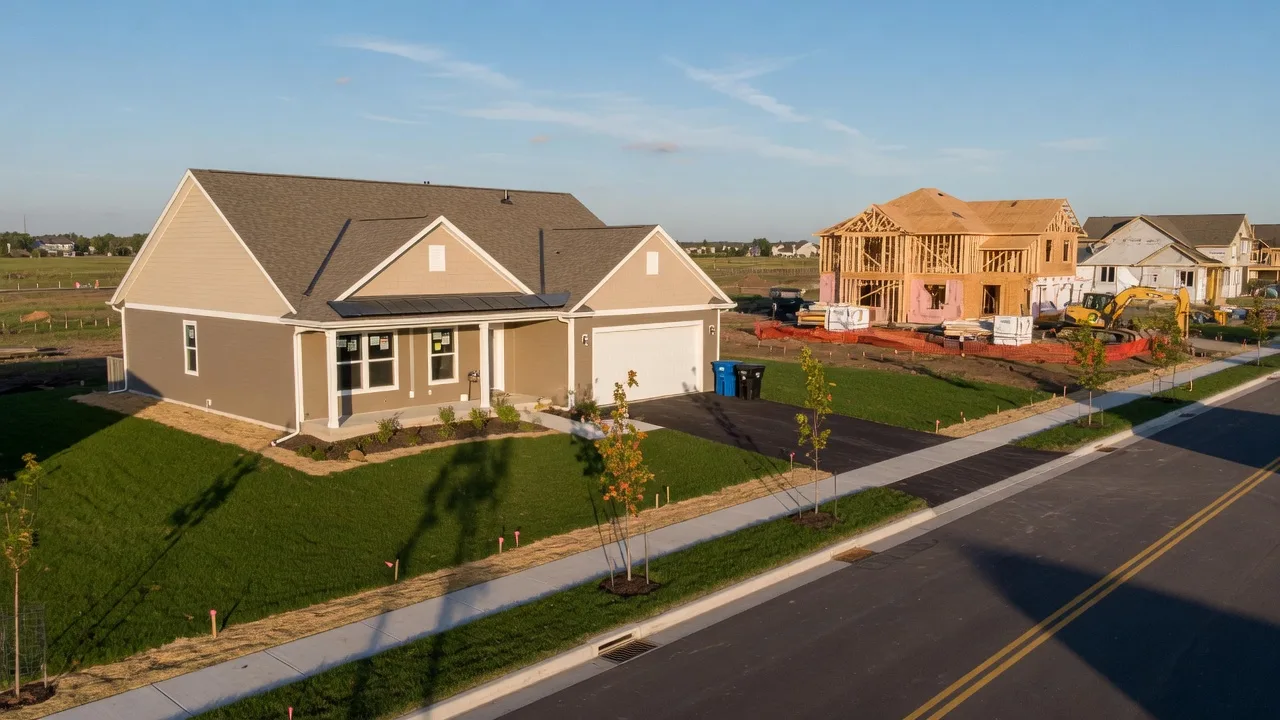
Buying new construction in Sioux Falls is more popular than it has been in years, and clients ask me every week what a new build actually costs. The short answer: new-construction homes have been selling at a median around $386,000 in the Sioux Falls region through 2026, and the building itself typically runs $120 to $180 per square foot before you add land, sitework, and upgrades. In this guide I walk through the real numbers, the timelines, the warranties, and the questions most buyers forget to ask, with a builder's eye on every step.
What New Construction Costs per Square Foot
Cost surveys for the Sioux Falls area put standard-grade new construction at roughly $120 to $140 per square foot, with premium finishes, custom details, and higher-end plans running $140 to $180 or more. One local custom-home survey averages about $116 per square foot with a range from roughly $93 to $138, and other estimates span anywhere from about $90 on the bare-bones end up past $210 for a fully custom, high-end build. That wide spread is the first thing to understand: per-square-foot pricing is a planning tool, not a quote. The grade of finishes, the complexity of the plan, and the builder's own pricing all move the number.
The second thing to understand is what that range does not include. Almost every survey figure is construction of the house itself, before land, sitework, and upgrades. By the time you add a homesite, excavation, the foundation, a driveway, and landscaping, the finished cost can be 20% to 30% above the construction estimate, which is why I always tell buyers to budget for the whole project, not the shiny per-square-foot headline.
The Land Is a Big Part of the Price
In Sioux Falls, the dirt under the house often surprises relocators the most. Development-ready lots with utilities nearby have listed from roughly $50,000 on the low end, and a typical buildable lot in a newer neighborhood commonly runs well into six figures. Premium homesites in upscale developments, lots backing to ponds or greenbelts, oversized corner sites, and walkout-basement ground routinely list from $200,000 to $400,000 and sometimes more.
That is where "lot premiums" come in. Builders add a premium on top of the base home price for a more desirable homesite, and the amount can be substantial. If the view, the privacy, or the walkout potential matters to you, expect to pay for it, and ask the builder to spell out the lot premium before you fall in love with the floor plan. Also remember that property taxes and insurance on a brand-new home are set at its full new value, so the monthly number on a fresh build is usually honest about what you are getting in a way that a fixer-upper is not.
What Is in the Base Price, and What Is Not
The single biggest question buyers forget to ask is what the base price includes. In most Sioux Falls new builds, the base price covers the house plan, standard finishes, and the basic sitework, and then nearly everything that makes a home feel finished is an upgrade: upgraded flooring and cabinets, nicer countertops, appliances beyond the basic package, blinds and window treatments, landscaping, a fence, a finished or unfinished basement, even some driveway and garage details on certain plans.
Builders present this as an allowance structure and a selections menu. Before you sign, ask for the full list of what is standard versus what is optional, and get dollar figures. Change orders during construction are the classic budget killer: a small tweak here and an upgrade there can add $20,000 to $40,000 by closing without a single line item ever being reviewed as a whole. I tell buyers to pick the finishes that matter, put them in the contract with prices, and leave the rest alone until the walkthrough.
How Long It Takes to Build
Most new builds in Sioux Falls take roughly six to twelve months from lot to keys. The typical breakdown is one to three months for design, engineering, and permits; a week or two of site preparation; and then four to eight months of actual construction, depending on the size of the home, the builder's schedule, and the season. South Dakota winters slow things down: foundation work and concrete pour around weather, and crews are busier than ever this year, so starting later often means finishing later.
If you have a move-in deadline, lock arms with your lender early, because the builder will ask about financing timing too. Ask for the construction timeline in writing, build in a cushion for weather and change orders, and be realistic: a promised fall completion can slip to winter, which affects your own moving plans, your rate lock, and your lease. A good builder gives you a schedule and a salesperson who tells you the truth when it moves.
Why New Construction Is Competitive Right Now
Here is the piece most people miss: this is a genuinely good year to negotiate with a builder. Local market reports put builder incentives at roughly a five-year high. Across Sioux Falls developments, builders are offering mortgage-rate buydowns, closing-cost assistance, appliance packages, and in some cases price reductions of up to around 5% to move inventory. When a builder includes a rate buydown, the monthly payment math can look dramatically better than the sticker price suggests.
The statistics back up the strength of the segment. Per Realtor Association of the Sioux Empire data, the new-construction median sale price in the region has run in the mid-to-high $380,000s through 2026, well above the overall median of $328,000 for August, and new construction has been one of the most active parts of the market all year. Fewer finished new homes are sitting on the market than a year ago, so the best lots and the best floor plans still move. The negotiating power is real, but it works best when you come in ready: pre-approved, with a clear plan, and with a realtor who knows how builder contracts work.
The Warranty: Usually 1-2-10
New builds in South Dakota commonly come with a 1-2-10 warranty: one year for workmanship and materials, two years on major systems like plumbing, electrical, and HVAC, and ten years on major structural defects. That is the industry-standard structure, but terms vary by builder, and the warranty is only as good as the company standing behind it. Read it before you sign, keep a copy with your house documents, and ask how claims actually get handled. I have seen buyers assume a new home means a decade of worry-free living only to discover the warranty process requires them to chase subcontractors themselves.
Warranty coverage also does not cover everything people assume. Normal wear, some settling, and cosmetic issues are often excluded or only covered in the first year, so ask for a plain-language summary of what is covered, what is not, and what the claim process looks like. And remember the warranty clock starts on the day the builder hands over the keys, not the day the last punch-list item is finished.
Yes, You Still Need an Inspection on a New Build
Here is where I earn my keep. With 20-plus years in construction, I walk new builds with the same critical eye I bring to resales, because new construction is not immune to problems. I have seen grading that slopes water toward the foundation, missing or compressed insulation, HVAC systems sized for the floor plan instead of the actual heat load, weather sealing that was never finished behind the siding, and trim and flashing details that will fail long before the warranty does.
The builder's final walkthrough is not an inspection. The city's final inspection is not an inspection of the details that matter to you, either. An independent home inspector approved by your lender, and ideally someone who builds or inspects for a living, should walk the house before the drywall goes up and again at completion. Finding a problem while the walls are still open costs nothing to fix. Finding it after you close costs you time, money, and patience. Add that to your budget: it is the cheapest insurance you will buy on a new build.
New Construction vs. Existing Homes: The Real Trade-Offs
So should you build or buy a resale? It depends on what you value. New construction gives you customization from day one, modern energy efficiency, minimal maintenance for years, a builder warranty, and this year, builder incentives. Existing homes give you established neighborhoods with mature trees, immediate move-in, and usually a lower sticker price: the overall regional median was $328,000 in August 2026, well under the new-construction median, but that resale likely needs updating, and with resale inventory as tight as it is, the fixer-uppers are not always the bargain they look like once you price the repairs.
New construction has real downsides too. You wait six to twelve months. The neighborhood may still be filling in, which means construction traffic, bare lots, and a few years before the trees and lawns mature. Customization costs money, and the monthly tax and insurance bill lands on the full new value. If a finished, established neighborhood matters more than picking your own countertops, a resale may serve you better. If you want your exact floor plan with a warranty and no surprise repairs for a while, new construction is hard to beat, especially in a year when builders are this motivated.
The Bottom Line From a Builder's Perspective
My honest take after decades in construction and years in real estate: new construction in Sioux Falls is a strong option right now, but only if you go in with your eyes open. Know the per-square-foot reality and what it excludes. Price the lot, the upgrades, and the timeline before you fall in love. Ask what the builder will include beyond the base price, and get it in writing. Read the warranty, keep your own inspection in the budget, and negotiate like the market is on your side, because right now it is.
Whether you build new or buy resale, the condition of the home matters more than any single number on the contract. That is exactly the kind of walkthrough I do for every client, and it starts with a conversation about what you actually want your next chapter to look like.
Thinking about a new build in Sioux Falls? Let's talk through the numbers together, from the lot to the last upgrade.
Frequently Asked Questions
How much does it cost to build a house in Sioux Falls per square foot?
Most local cost surveys put standard-grade new construction in Sioux Falls at roughly $120 to $140 per square foot, with premium finishes running $140 to $180 or more, before land and sitework. Custom-home surveys average closer to $116 per square foot because the range is so wide, from about $93 on the low end to $138 and up. Treat any survey number as a planning estimate and get a written, itemized quote from the builder before you commit.
Is it cheaper to build a house or buy an existing one in Sioux Falls?
It depends on the home and the deal. New construction in the Sioux Falls region has been selling at a median around $386,000 through 2026, while the overall regional median was $328,000 in August 2026. New builds usually start higher, but builders are currently offering strong incentives, like mortgage-rate buydowns and closing-cost help, that narrow the gap, and many existing homes need repair work a new build will not. Compare the full monthly payment on a finished house versus a new build with your chosen upgrades before deciding.
How long does it take to build a new home in Sioux Falls?
Most new builds in Sioux Falls take roughly six to twelve months from lot to keys. Allow one to three months for design and permits, a week or two of site work, then four to eight months of actual construction depending on the size of the home and the builder's schedule. If you have a move-in deadline, ask for the timeline in writing and build in a cushion for weather delays and change orders.
Can you negotiate with home builders in Sioux Falls?
Yes, and right now builders are more open to it than they have been in years. Local market reports put builder incentives at roughly a five-year high: mortgage-rate buydowns, closing-cost assistance, appliance packages, and in some cases price reductions of up to around 5%. Builders can also move standard-versus-upgrade items, so ask what they will include before you sign and get every concession in writing.
Do you need a home inspection on a brand-new house?
Yes. A builder's warranty is not a substitute for an independent walkthrough. Even new construction can have grading, drainage, HVAC, insulation, and weather-sealing problems you would never see from the outside, and the best time to have the builder fix something is before you close, not after you move in. Many buyers add one inspection before the drywall goes up and a second at completion.
What warranty does a new construction home come with?
South Dakota builders commonly provide a 1-2-10 warranty: one year for workmanship and materials, two years on major systems like plumbing, electrical, and HVAC, and ten years on major structural defects. Terms vary by builder, and the warranty is only as good as the company behind it, so read it, keep a copy, and ask how claims are handled before you buy.
Ready to compare a new build against the resale market in your price range? Call or email me and I will walk you through both, no pressure and no guesswork.